


Your Everyday Escape Redefined with Style


Ever found yourself staring at your shampoo bottle, thinking if you really need to wash your hair today? You’re definitely not the only one. Some people wash every morning, while others can go nearly a week without reaching for shampoo. So who’s doing it right? When it comes tohow often you should wash your hair, there isn’t a single perfect schedule. The right routine depends on your hair type, scalp, lifestyle, and even the products you use. Factors that Affect How Often You Should Wash Your Hair Your ideal washing routine depends on more than...

Most people struggle with curls that lose shape quickly, turn frizzy, or feel uneven after drying. That usually happens because styling decisions are made too late, instead of working with hair while it is still fully wet. Wet curly hair styling focuses on shaping strands when they are most flexible and hydrated. This helps lock in curl patterns early, making it easier to maintain definition and reduce frizz throughout the day. The key is understanding that wet styling is not just about applying products but about guiding the hair while it is in its most...
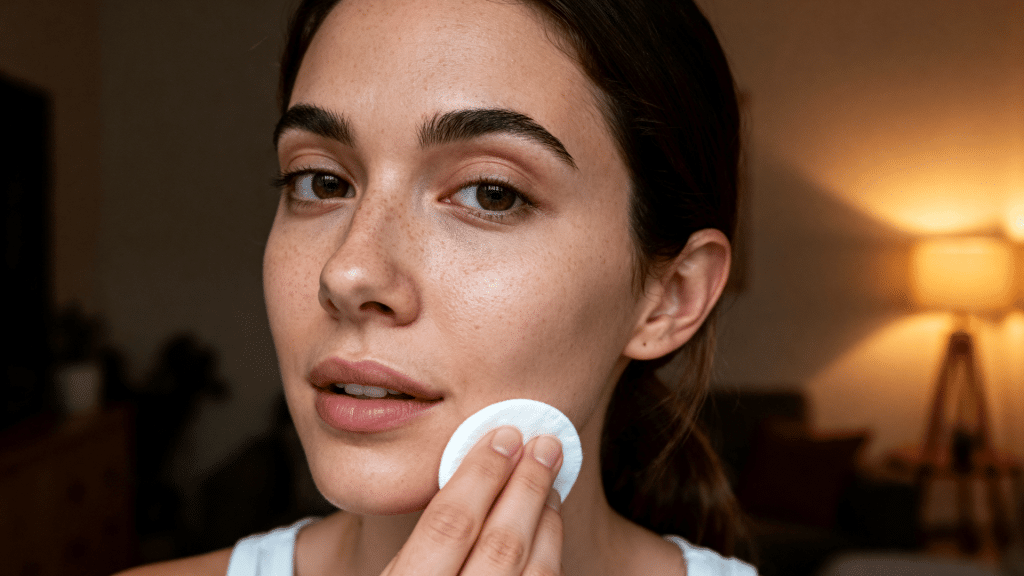
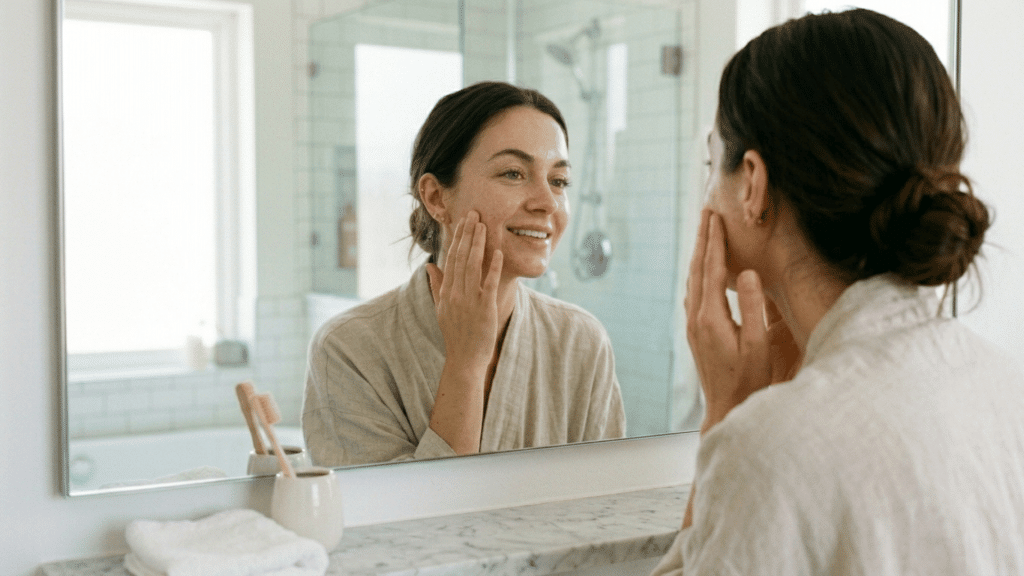
Most skincare advice online is either trying to sell you something or so vague it’s useless. You don’t need a 12-step skincare routine or expensive serums. Smooth skin comes down to a few consistent habits and dropping the ones that quietly work against you. This blog covers the basics that actually move the needle, plus what real people in skincare communities say made the biggest difference for their skin texture. What Does Smooth Skin Really Mean? Smooth skin isn’t flawless skin. It’s skin with an even texture, no rough patches, no flaking, no tight dryness...
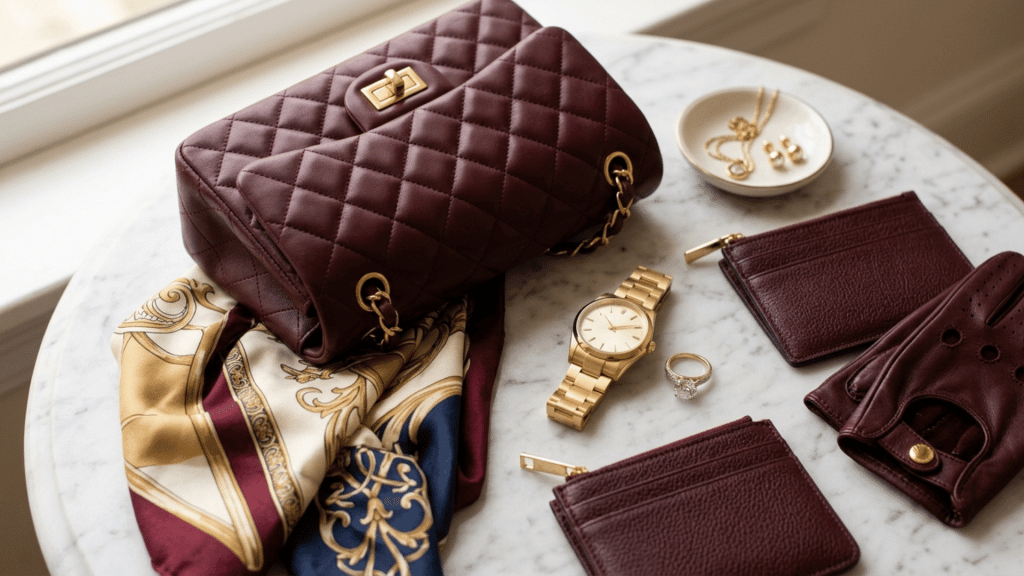
Some fashion brands are known for more than just clothing. They represent status, craftsmanship, and history. Many people search for the most expensive brands to understand what makes luxury fashion so valuable. Some brands have been around for over a century, while others have become icons through innovation and celebrity. The names on this list continue to shape fashion trends and set the standard for luxury around the globe. What Makes Fashion Brands so Expensive? Fashion brands are expensive as they offer much more than just clothes, bags, or accessories. Many of the most expensive...
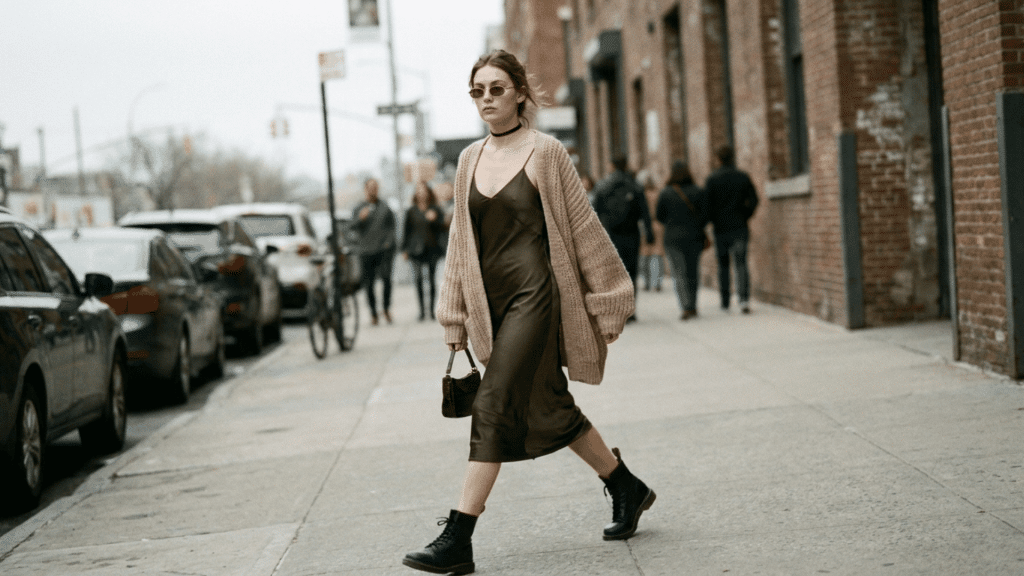
Why does a 90s outfit sometimes look more like a costume than real street style? If you are searching how to dress 90s female, that is often the main problem. You may copy a famous look, add too many old-school pieces, and still feel like something is off. The 90s had a strong style, but it was not about wearing every trend at once. Clothes looked casual, personal, and easy to wear. When every part of your outfit tries too hard to look retro, the result can feel forced. A better 90s look starts with...
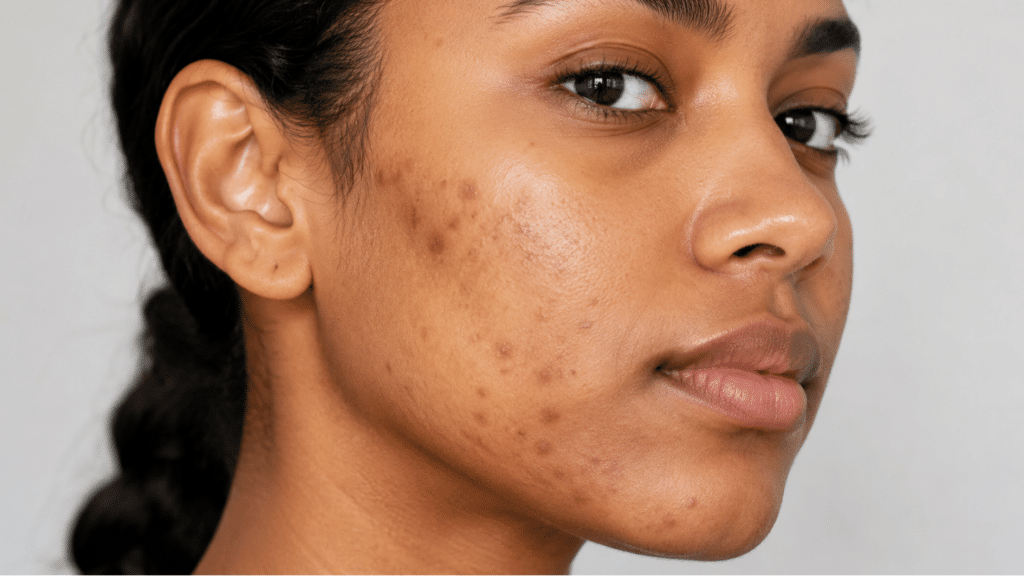
Clearer skin can feel close, but one stubborn mark can change the whole picture. The breakout is gone, but the mirror keeps pulling your attention back to the same spot. That mark is post-inflammatory hyperpigmentation acne, and for a lot of people it becomes the part of acne they remember most. It is also the part that gets misread most often. People treat these marks as scars, reach for aggressive exfoliation, and end up darkening the pigment. This blog explains what is actually happening in the skin, layer by layer, and what that means for...
CATEGORIES


POPULAR BLOGS
D
I
Y
&
H
A
I
R
C
A
R
E
POPULAR BLOGS
From family recipes passed down through generations to simple two-ingredient blends shared online, people are constantly experimenting in hopes of
Natural skin glow comes from healthy, well-nourished skin, not from piling on products. The trouble is, many routines end in
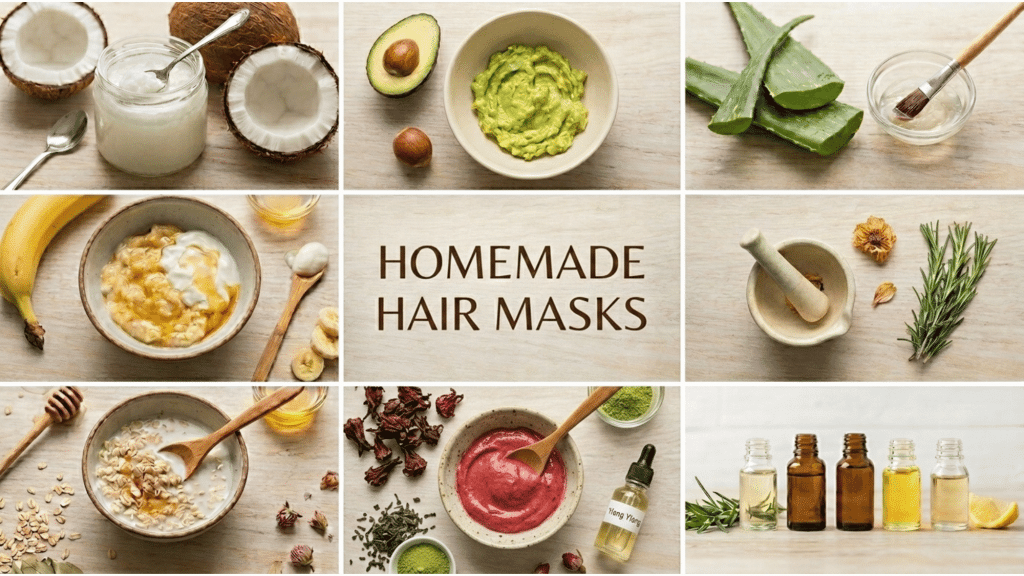
Hair masks give your scalp and strands extra care by letting nourishing ingredients sit longer than a regular rinse-out conditioner.

Curly hair is gorgeous, but for most people, it feels like a daily battle they never signed up for. Frizz,
Hair dyeing at home offers convenience and cost savings, but it often comes with a side effect. Those stubborn color
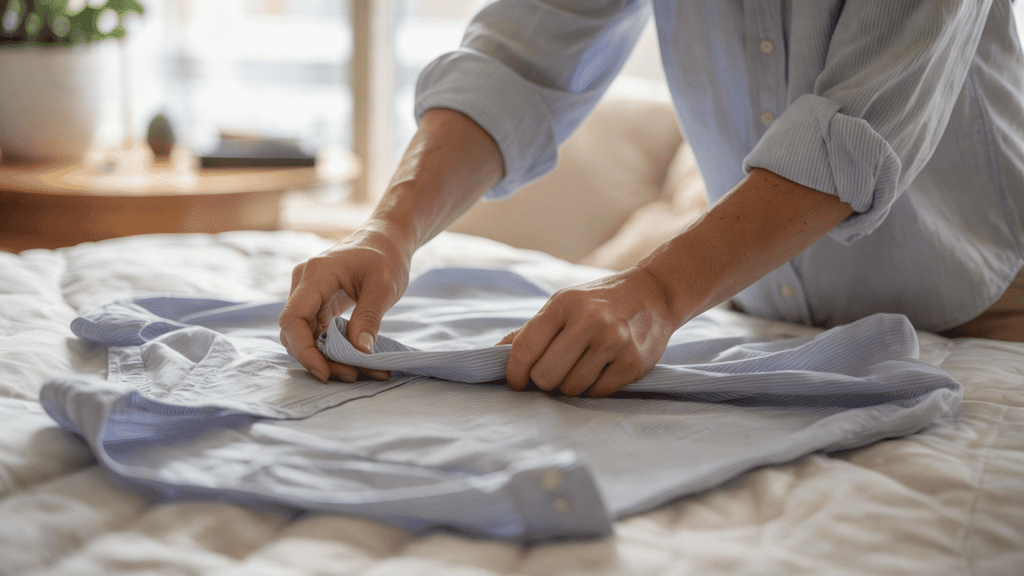
Wrinkled clothes can ruin even the most carefully planned morning. If it’s a shirt pulled from the dryer too late,
Lifestyle

SUBSCRIBE TO OUR NEWSLETTER
Fashion & Beauty
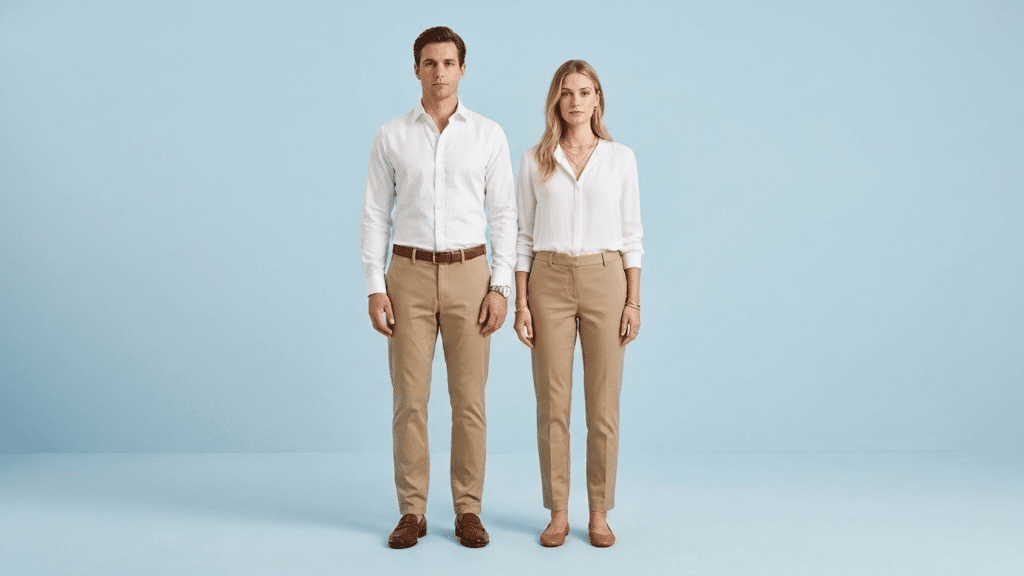
Still asking what color shirt goes with khaki pants before every outfit? Khaki can look easy to match, but that
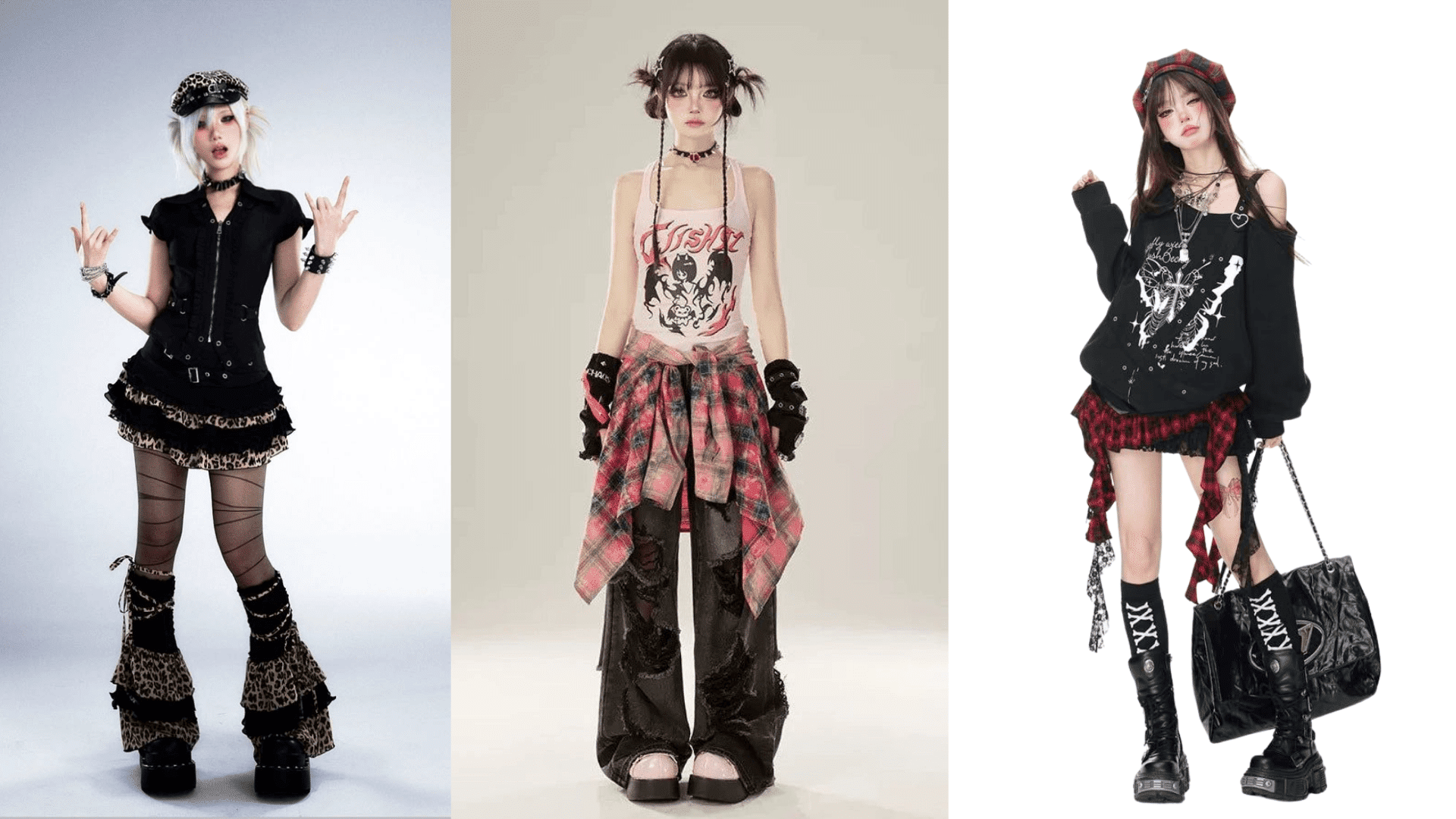
Imagine walking through Tokyo’s Harajuku district, where performers in elaborate makeup, Gothic attire, and gravity-defying hairstyles blur the lines between fashion and theatrical art. This striking look is characteristic of Visual Kei style, a Japanese movement from the 1980s that mixes rock with dramatic visuals to create new cultural expression. ‘Visual Kei,’ meaning “visual style,” is more than just music; it’s a philosophy where appearance tells a story, challenging gender norms and societal expectations through artistic expression. Originating from Japan’s underground scene, it has progressed from a rebellious subculture into a global phenomenon, inspiring artists, fashion designers, and those seeking original self-expression. Understanding Visual Kei style Visual Kei style emerged in Japan’s late 1980s independent scene as bands used striking visuals to stand out, blending elaborate costumes, makeup, and androgyny. Unlike Western rock, which focuses mainly on sound, Visual Kei treats appearance as part of the artistic message, creating a holistic sensory experience. Theatricality permeates every aspect, with performers adopting personas that blur the lines between reality and fantasy. What distinguishes Visual Kei from conventional rock fashion lies in its philosophical approach. This artistic intentionality changes musicians into visual artists, blending Eastern theatrical traditions with Western rock to establish Visual Kei as a cultural phenomenon, not just a fashion trend. Cultural Significance of Visual Kei: Art as Social Commentary Visual Kei Style extends beyond fashion to champion individuality in Japan’s conformist society. Artists use a dramatic vibe to express personal identity, challenging traditional expectations through bold self-presentation that celebrates uniqueness over uniformity. The movement embraces androgyny, mixing masculine and feminine traits through makeup and attire to show that beauty isn’t binary. As a form of cultural resistance, Visual Kei rejects Japan’s pressure for standardized appearance and behavior. Artists live their creativity openly, refusing to compartmentalize artistic expression within acceptable boundaries. Artists use dramatic visuals to express identity, echoing tensions in goth culture and Christianity. The Early Years of Visual Kei The 1980s marked Visual Kei’s rise as Japanese musicians absorbed Western influences and created a unique style. Glam rock legends like David Bowie and T. Rex inspired theatrical presentation, while punk’s rebellious spirit fueled the movement’s anti-establishment attitude. Japanese artists upgraded these influences by adding traditional Kabuki and Noh elements, forming a hybrid vibe. X Japan pioneered the movement with Yoshiki’s gowned piano performances, blending speed metal and classical music through ornate costumes. Buck-Tick added gothic Victorian elements, with early bands using visual experimentation to emphasize beauty over aggression. Visual Kei Style in the 1990s and 2000s The 1990s saw Visual Kei transition from underground scenes to mainstream Japanese media, with major labels investing in elaborate productions and television exposure. This commercial success provided the resources to increase visual presentations while maintaining artistic originality. The movement diversified into distinct substyles during this era. It became a key countercultural expression for Japanese youth, providing alternative identities and community acceptance beyond traditional expectations. Young people used it to promote personal change and resist conformity. Substyles of Visual Kei Fashion Visual Kei’s evolution gave rise to distinct substyles, each representing unique philosophies and cultural influences that expanded the movement’s creative boundaries. 1. Gothic Kei Source: Pinterest Gothic Kei blends Victorian and medieval elements for dramatic historical fashion looks. Artists often use darkness, religious symbolism, and romantic melancholy as a means of creative expression. Dark, ornate clothing featuring rich fabrics like velvet and brocade Elaborate lace details, corsets, and flowing silhouettes that emphasize theatrical drama Accessories, including crosses, chains, and antique jewelry, create mysterious personas 2. Angura Kei Source: Pinterest Angura Kei is Visual Kei’s underground experimental style, prioritizing artistic shock value over commercial appeal. This substyle deliberately challenges beauty standards through unsettling, avant-garde aesthetics. Underground, anti-establishment looks that reject mainstream visual codes Experimental makeup featuring distorted features, unusual color combinations, and surreal designs Unconventional costumes incorporating found objects, deconstructed garments, and artistic installations 3. Tanbi Kei Source: Pinterest Tanbi Kei emphasizes refined androgynous beauty inspired by Japanese literary aesthetics and classical art movements. This substyle celebrates idealized beauty through graceful presentation and styling. Focus on dreamy beauty, soft features, and graceful androgynous presentation Inspired by literary vibes, particularly Japanese romantic literature and Western decadent art movements Notable representatives include Malice Mizer’s elegant Gothic presentations and Versailles’ aristocratic visual 4. Softvi / Soft Kei Source: Pinterest Soft Visual emerged as Visual Kei’s accessible interpretation, maintaining the movement’s core principles while accepting mainstream appeal. This substyle prioritizes approachability without sacrificing artistic identity. Softer, less aggressive styling that appeals to broader audiences Minimalist makeup focusing on enhancement rather than dramatic change More wearable fashion incorporating elements into everyday clothing 5. Koteosa Kei Source: Pinterest Koteosa Kei represents the maximalist extreme of Visual Kei, emphasizing an overwhelming visual impact through elaborate presentation. Artists prioritize spectacle and theatrical grandeur over subtlety. Heavy, intricate costumes featuring multiple layers and ornate detailing Dramatic visuals designed for maximum stage presence and audience impact Maximalist styling philosophy where “more is more” guides choices 6. Iyrou Kei Source: Pinterest Iyrou Kei is about themes of vulnerability and healing through a medical-inspired vibe. This substyle uses clinical imagery to address psychological and physical trauma symbolically. Medical or hospital-inspired fashion incorporating bandages, masks, and clinical accessories Symbolic representation of pain, recovery, and psychological healing processes Darker vibes that confront uncomfortable themes through visual metaphor 7. Nagoya Kei Source: Pinterest Originating in Nagoya’s music scene, this substyle emphasizes emotional depth over visual extravagance, creating intimate connections between artists and audiences. Subdued visual styling that complements melancholic musical expressions More restrained vibes focusing on emotional originality Toned-down visuals that prioritize musical content while maintaining the identity 8. Eroguro Kei Source: Pinterest Eroguro Kei combines erotic and grotesque elements, pushing Visual Kei’s boundaries through deliberately unsettling presentations that challenge conventional beauty standards. Fusion of eroticism and grotesque vibes creates provocative visual statements Shock value achieved through surreal, horror-inspired makeup and disturbing imagery Confrontational fashion designed to provoke strong emotional responses 9. Lolita Kei Source: Pinterest Lolita Kei represents the intersection between Visual Kei’s theatrical presentation and Japan’s Lolita fashion movement, creating presentations that emphasize feminine beauty and Victorian times Crossover vibes incorporating Lolita fashion’s structural elements with Visual Kei’s dramatic flair Frilly dresses featuring elaborate petticoats, lace trim, and ornate detailing Doll-like makeup emphasizing porcelain skin, enlarged eyes, and soft features that create beauty 10. Oshare Kei Source: Pinterest Oshare Kei arose as Visual Kei’s most optimistic expression, rejecting darkness for lively celebration and youthful exuberance. This substyle appeals to younger audiences through its accessible and cheerful vibes. Bright, colorful styling featuring rainbow palettes and pop-culture references Youthful energy expressed through playful designs, cartoon motifs, and whimsical accessories Cheerful makeup and fashion that maintains Visual Kei’s creativity while accepting the positivity 11. Kurofuku Kei Source: Pinterest Kurofuku Kei strips Visual Kei to its essential elements, emphasizing minimalism over elaborate ornamentation. This substyle proves that Visual Kei’s impact doesn’t require maximalist presentation. “Black clothing” philosophy focusing on monochrome wardrobes and restrained color palettes Dark, sharp silhouettes that create dramatic impact through precision rather than excess Minimalist that maintains Visual Kei’s theatrical qualities while incorporating subtle and refined vibe choices The Legacy of Visual Kei Visual Kei’s transition from underground rebellion to respected art form shows its lasting cultural impact. Fashion designers now use its gender-fluid, theatrical style, inspiring global creativity. Its shift from shock value to artistic legitimacy reflects broader acceptance of alternative identities. Museums display its costumes as art, and scholars study its sociological meaning. This respectability honors its artistic role without losing its rebellious spirit. Its lasting legacy is its core philosophy: self-expression through visual change as a means of personal freedom and cultural resistance, inspiring creativity worldwide. Conclusion From its rebellious 1980s origins through mainstream acceptance and global expansion, Visual Kei style has consistently reinvented itself while maintaining core principles of artistic freedom and identity exploration. Each decade brought new substyles from Gothic Kei’s Victorian darkness to Oshare Kei’s colorful optimism, proving the movement’s adaptability and creative resilience. Visual Kei’s influence extends far beyond music venues, fundamentally reshaping how society perceives gender expression, personal style, and artistic originality. Contemporary fashion’s incorporation of androgyny, theatrical presentation, and identity fluidity directly traces back to Visual Kei’s pioneering vision.
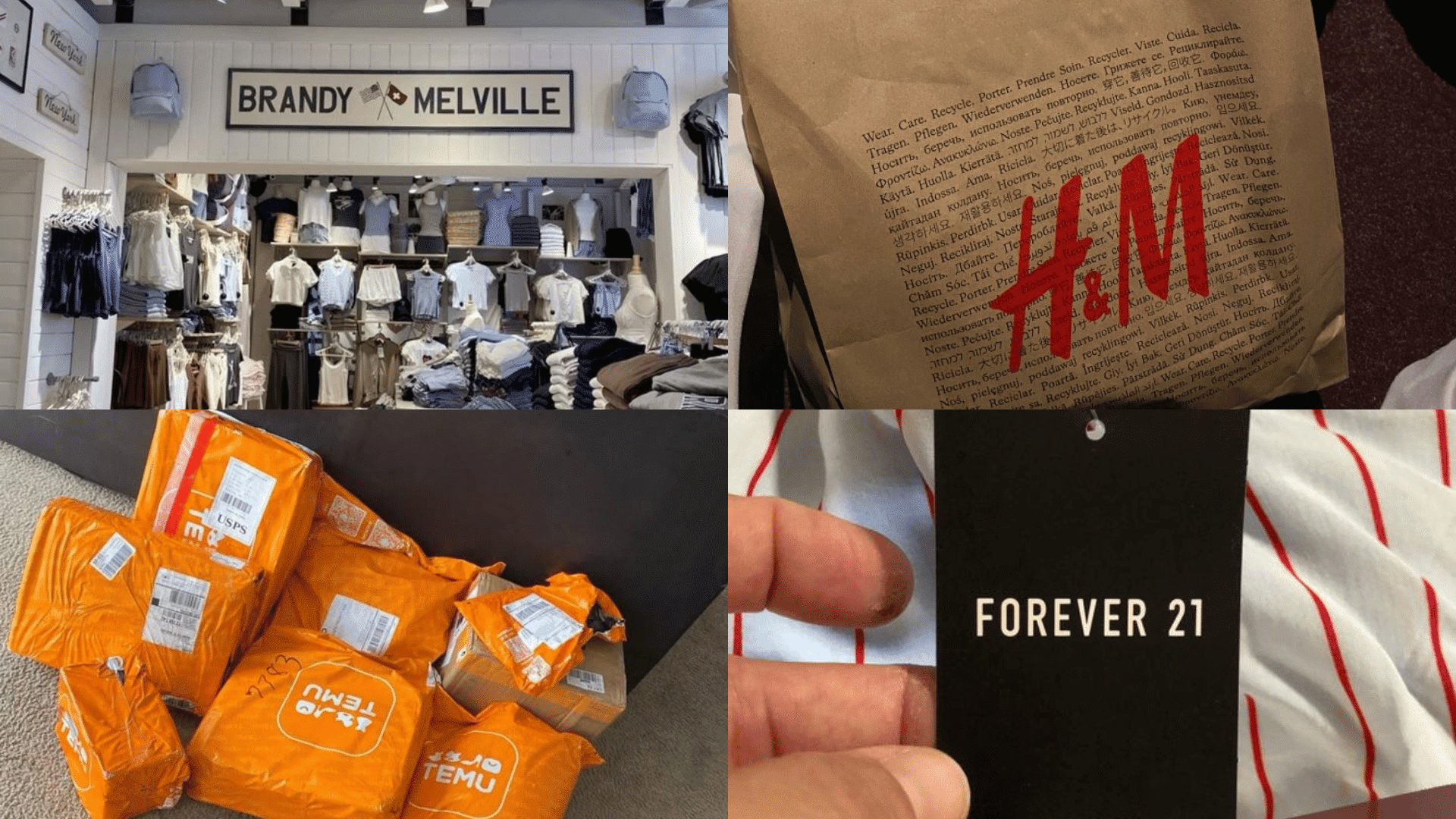
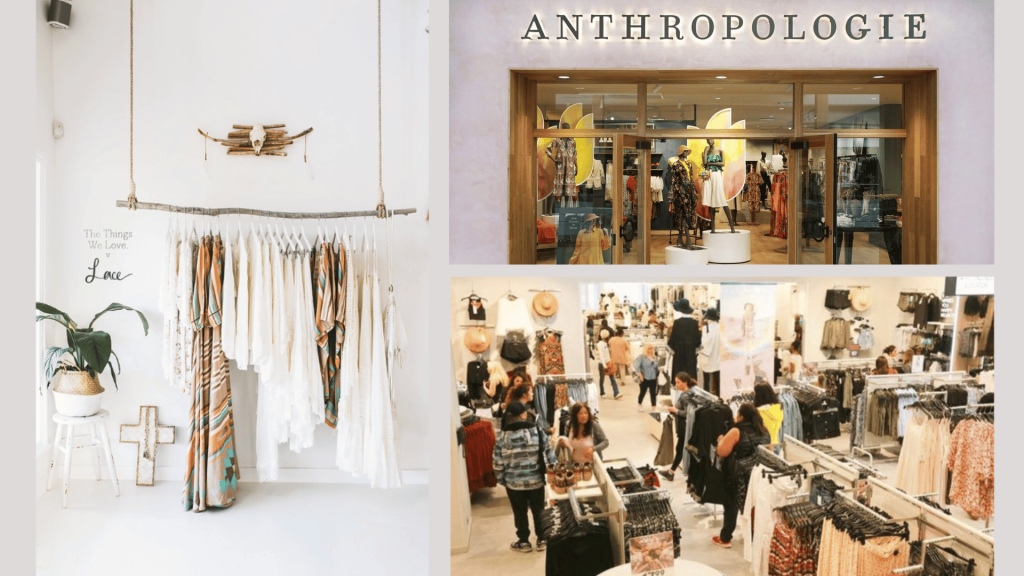
Are you unknowingly supporting brands that exploit workers and destroy the environment with every clothing purchase in these fast fashion stores? The shocking truth about fast fashion reveals that many popular retailers hide dangerous practices behind their affordable price tags. Major fast fashion companies like SHEIN, H&M, Zara, Forever 21, and Boohoo have been exposed as some of the worst offenders in the industry. Knowing these problematic brands empowers shoppers to choose alternatives that align with their values, creating positive change in the fashion industry and building a more sustainable wardrobe for the future, especially given Gen Z’s buying habits Disclaimer: This blog raises awareness about fast fashion using public information and is not meant to disparage any brand. What’s the Hidden Truth Behind Fast Fashion? Fast fashion represents a business model where retailers rapidly produce trendy clothing at extremely low prices. Fast fashion companies reduce costs by utilizing inexpensive synthetic materials, exploiting workers in developing countries, and prioritizing speed over quality. Clothes are designed to fall apart quickly, ensuring frequent returns from customers. The environmental impact proves devastating. The industry generates millions of tons of textile waste annually while consuming enormous amounts of water and toxic dyes. The Drastic Impact of Fast Fashion Fast fashion has far-reaching impacts that extend beyond personal style. As consumers become aware of the hidden costs to workers, communities, and the environment, it’s crucial to identify brands to avoid. 1. Environmental Impacts The fashion industry is a significant contributor to pollution, generating waste, chemicals, and excessive water usage that harm ecosystems worldwide. Its production leaves lasting scars on communities and the planet. Over 92 million tons of textile waste are produced annually. Water pollution from toxic dyes and chemicals. Massive water consumption in manufacturing. 2. Social & Labor Impacts Behind the cheap prices are workers facing unsafe conditions and exploitative wages, often with no protections. Many fast fashion factories also rely on child labor, highlighting the human cost of disposable clothing. Workers face unsafe conditions and poverty wages. Reports of child labor in supply chains. Exploitation remains widespread in production hubs. 3. Economic Impacts Fast fashion weakens traditional industries by undercutting local craftspeople and small manufacturers. It also fosters a throwaway culture, leaving economies reliant on mass production rather than quality and skill. Traditional crafts and local industries struggle to compete. Promotes a throwaway culture that devalues quality and durability. 4. Health Impacts From toxic dyes to chemical residues, fast fashion carries hidden health risks for both workers and shoppers. Factories expose employees to harsh environments, while consumers unknowingly wear harmful substances. Clothes may contain residues of formaldehyde, lead, and toxins. Workers suffer respiratory issues and skin conditions from chemical exposure. The widespread impacts of fast fashion show why consumers must reconsider their shopping habits and prioritize ethical alternatives. Red Flags to Spot Fast Fashion To determine which fast fashion brands to avoid, consumers can identify problematic retailers by recognizing specific warning signs that indicate unethical practices. Here’s how you can do that: Extremely low prices: When a dress costs less, the true costs are being hidden somewhere in the supply chain Weekly new arrivals: Fast fashion stores constantly release new collections, creating artificial urgency to buy Poor quality materials: Clothes made primarily from cheap synthetic fabrics like polyester that feel thin No supply chain information: They typically hide details about where and how their clothes are made Vague sustainability claims: Using terms like eco-friendly without specific certifications or proof Constant sales and promotions: Always advertising discounts to encourage impulse purchases Fast shipping promises: Advertising delivery in just days, indicating unsustainable production speeds Fast Fashion Brands to Avoid These online-first brands produce thousands of styles rapidly, often neglecting sustainability and transparency. Their low prices and flashy marketing attract shoppers, but the real cost is the disposable fashion and hidden labor practices. 1. Shein Shein is one of the largest fast fashion companies, churning out thousands of new items daily at ultra-low prices, which fuels overconsumption. Critics highlight unsafe working conditions, heavy reliance on synthetics, and virtually no transparency. Key Concerns: Unsafe working conditions, heavy waste, zero transparency Marketing Strategy: TikTok hauls, influencer campaigns, daily drops Quality Check: Inconsistent sizing, fabrics wear out quickly 2. Temu Temu offers shockingly affordable products with limited transparency regarding sourcing. Its ultra-fast model encourages overconsumption at an unsustainable pace. Key Concerns: Questionable supply chains, overconsumption model Marketing Strategy: App-based flash sales and aggressive online ads Quality Check: Flimsy products, low durability 3. Romwe Romwe, often compared to Shein, floods the market with ultra-cheap clothing built around Gen Z fashion trends. It has been criticized for its poor labor transparency and the short lifespan of clothing. Key Concerns: Disposable clothing, labor transparency issues Marketing Strategy: Gen Z focus, cheap pricing, trend overload Quality Check: Poor fabrics, inconsistent fits 4. Zaful Zaful markets trendy, affordable clothing online, producing styles at lightning speed. Its lack of transparency and reliance on synthetics place it squarely in the fast fashion category. Key Concerns: Synthetic-heavy, limited accountability Marketing Strategy: Influencer partnerships and heavy online ads Quality Check: Clothes rarely last beyond a few wears 5. YesStyle YesStyle ships massive volumes of inexpensive, trend-driven clothing worldwide. Despite its popularity, the brand struggles with the transparency and sustainability of its fabrics. Key Concerns: Low transparency, overreliance on synthetics Marketing Strategy: K-fashion aesthetic, affordable online catalog Quality Check: Trendy but flimsy with uneven sizing 6. Fashion Nova Fashion Nova flourishes on influencer marketing and ultra-fast turnaround times. Reports have linked the brand to sweatshop-like conditions and unsustainable mass production. Key Concerns: Sweatshop-like conditions, short-lived designs Marketing Strategy: Celebrity collabs, Instagram-first approach Quality Check: Stretch fabrics lose shape quickly 7. PrettyLittleThing PrettyLittleThing is synonymous with cheap, influencer-driven clothing. The Boohoo-owned brand has been heavily criticized for exploitative labor and disposable designs. Key Concerns: Worker exploitation, low pay, disposable fashion Marketing Strategy: Celebrity endorsements and influencer collabs Quality Check: Low-quality stitching, not built to last 8. Missguided Missguided relies on constant drops and heavy discounts to keep shoppers hooked. It has been called out for labor scandals and greenwashing attempts. Key Concerns: Greenwashing attempts, labor issues, and overproduction Marketing Strategy: Sales-driven, celeb partnerships, constant ads Quality Check: Trendy but fragile clothing 9. Boohoo Boohoo has been investigated for poor labor conditions and underpaying workers. Its endless trend cycles make it a major contributor to fast fashion’s problems. Key Concerns: Unsafe factories, worker exploitation Marketing Strategy: Flash sales, influencer campaigns, bold marketing Quality Check: Items often fall apart quickly 10. Nasty Gal Nasty Gal pushes out edgy, affordable styles that appeal to younger shoppers. Despite rebranding efforts, it continues to be criticized for overproduction and weak durability. Key Concerns: Overproduction, synthetic-heavy, poor durability Marketing Strategy: Edgy, youth-focused, social media-driven Quality Check: Cute designs but short lifespan 11. Zara Zara’s rapid trend cycles and huge product range define the fast fashion model. While it promotes eco lines, critics call much of this greenwashing as production remains unsustainable. Key Concerns: Greenwashing, excessive production Marketing Strategy: Trend-led collections inspired by luxury fashion Quality Check: Some basics hold up, trendy pieces wear fast 12. H&M H&M is one of the largest fast fashion companies, producing clothing on a massive scale. Its “Conscious” line is often accused of greenwashing, while worker rights remain a major issue. Key Concerns: Underpaid workers, polyester reliance, greenwashing Marketing Strategy: “Conscious” line, global reach, celebrity collabs Quality Check: Styles lose shape after a few washes 13. Mango Mango promotes select “eco” collections while continuing to mass-produce trend-led pieces. Critics point to polyester-heavy ranges and limited progress on living wages across suppliers. The overall model still reflects the fast fashion scale. Key Concerns: Greenwashing claims, synthetic reliance, and weak wage progress Marketing Strategy: Runway-inspired, affordable chic released frequently Quality Check: Tailored items can fare better; trend pieces often don’t 14. Primark Primark’s ultra-low prices encourage bulk buying and rapid disposal. Despite recycling initiatives, its production volume and supplier concerns keep it on the avoid lists. The low price point often mirrors low durability. Key Concerns: Labor concerns and unsustainable output Marketing Strategy: Huge stores, rock-bottom pricing, constant turnover Quality Check: Very limited longevity after repeated wear/wash 15. Forever 21 Forever 21 built its name on fast-moving, inexpensive trends that date quickly. Financial troubles underscored the fragility of the model, while sustainability and labor issues persist. Most pieces prioritize price over lifespan. Key Concerns: Worker exploitation concerns, overproduction, and bankruptcy history. Marketing Strategy: Youth-first trends and endless “new arrivals” Quality Check: Thin fabrics, visible wear within a season. 16. Pull & Bear Pull & Bear, part of Inditex, promotes casual, youth styles quickly. Limited supply-chain transparency and frequent drops align with fast fashion, sacrificing fabric quality and finish for affordability. Key Concerns: High churn, vague eco claims, low transparency Marketing Strategy: Gen Z casualwear with rapid refreshes Quality Check: Inconsistent fits, fast-wear fabrics 17. Stradivarius Stradivarius targets younger shoppers with feminine, Instagram-friendly looks. The pace of newness and reliance on synthetics raise sustainability questions despite marketing polish. Most pieces skew trend-over-quality. Key Concerns: Overproduction and polyester-heavy designs Marketing Strategy: Social-first styling and quick seasonal shifts Quality Check: Cute designs, modest durability 18. Bershka Bershka focuses on youth streetwear, regularly launching capsules and collaborations. Critics point out mass production and limited ethical or environmental progress. Items are trendy but age and wear rapidly. Key Concerns: Scale-driven output, weak sustainability depth Marketing Strategy: Street-inspired drops, influencer alignment Quality Check: Trendy silhouettes, short lifecycle 19. Cotton On Cotton On’s global basics are priced to move, fueling volume over longevity. Reports have flagged labor oversight gaps and sustainability shortcomings. Quality varies widely by line and material. Key Concerns: Labor concerns, overproduction, mixed accountability Marketing Strategy: Affordable basics, constant promos Quality Check: Everyday wear with a limited lifespan. 20. Hollister Hollister’s California-casual image fronts fast, teen-focused releases. Synthetic-heavy fabrics and mass output place it on many avoid lists. Styles turn over quickly, as does garment condition. Key Concerns: Unsustainable scale, synthetic reliance Marketing Strategy: Lifestyle branding, youth-centric trends Quality Check: Basics degrade fast, especially knits 21. Aeropostale Aeropostale courts teens with low-cost graphic tees and basics. Sustainability and quality often take a back seat to frequent promos and trend cycles. Many garments feel disposable after a semester. Key Concerns: Overconsumption driver, low-quality materials Marketing Strategy: Deep discounts, constant new graphics Quality Check: Quick fading and shape loss 22. Brandy Melville Brandy Melville’s “one size” approach excludes many shoppers and simplifies production. Transparency remains limited, and quality tends to match the low price. Social cachet does not equate to durability. Key Concerns: Exclusionary sizing, weak sustainability, and opacity Marketing Strategy: Minimalist aesthetic, influencer-driven “cool” Quality Check: Basics stretch out and wear down quickly 23. PacSun PacSun relies on trend-led, California-inspired drops that flip fast. Sustainability reporting lags the pace of releases, and quality varies. Most items favor looks over longevity. Key Concerns: Disposable trend cycles, limited transparency Marketing Strategy: Youth culture collabs and seasonal capsules Quality Check: Fun styles, modest durability 24. Charlotte Russe Charlotte Russe pushes ultra-affordable, on-trend womenswear with frequent resets. Environmental and labor accountability are not strengths, and the budget is skewed by fabrics. Pieces often feel single-season. Key Concerns: Overproduction, low-quality textiles Marketing Strategy: Heavy discounts and mall-based trend churn Quality Check: Fragile construction, short wear life 25. River Island River Island is known for its affordable, fashion-forward designs that switch rapidly each season. While it has a loyal following, critics point to disposable cycles and lack of real sustainability progress. Clothes often look dated quickly. Key Concerns: Disposable designs, poor transparency Marketing Strategy: Constant seasonal updates and youth appeal Quality Check: Trendy but not durable 26. Gap Gap has built its reputation on basics, but its production scale and supply chain problems put it on fast fashion lists. Efforts toward sustainability haven’t kept pace with its output. Some denim is decent, but most items age quickly. Key Concerns: Supply chain issues, mass unsustainable production Marketing Strategy: Affordable family basics and seasonal promos Quality Check: Jeans fare better; tees and knits lose shape 27. Old Navy Old Navy offers trendy casual wear at very low prices, driving overconsumption. Despite eco-marketing efforts, the brand continues to operate on a fast turnover model. Garments often fail to withstand repeated use. Key Concerns: Overproduction and reliance on synthetics Marketing Strategy: Budget-friendly, family-focused positioning Quality Check: Low prices often equate to low durability 28. Uniqlo Uniqlo sells minimalist “lifewear,” but allegations of labor violations and vague sustainability claims have flagged it. While basics can feel higher quality, the scale of production undermines ethical goals. Key Concerns: Labor exploitation claims, greenwashing Marketing Strategy: simple products marketed as timeless staples Quality Check: Basics last longer; trendy items less so 29. American Eagle Outfitters American Eagle combines basics and denim with frequent trend updates. Despite some eco-initiatives, mass output and synthetic reliance make it part of fast fashion. Jeans are better than most of its apparel. Key Concerns: Mass production, sustainability gaps Marketing Strategy: Denim-first branding with youth appeal Quality Check: Jeans are durable; tops and knits wear quickly 30. United Colors of Benetton Benetton’s bold marketing campaigns overshadow its weak sustainability performance. It still runs on a fast fashion cycle, with mass production and low labor costs. Clothing often feels outdated within a year. Key Concerns: Poor worker progress, unsustainable volume Marketing Strategy: Global image tied to activism-style ads Quality Check: Fabrics are inconsistent, and lifespan is limited 31. J.Crew Factory J.Crew Factory sells cheaper versions of J.Crew designs but relies on bulk production and trends. The line cuts corners on materials, leaving many items short-lived. Key Concerns: Volume-heavy, trend-focused output Marketing Strategy: Discount-driven outlet branding Quality Check: Cheaper fabrics than mainline J.Crew 32. Urban Outfitters Urban Outfitters markets itself as alternative and nostalgic, but mass output and cultural appropriation controversies tarnish its image. Many pieces feel overpriced for the quality delivered. Key Concerns: Overproduction and cultural appropriation Marketing Strategy: Nostalgic branding, curated youth culture Quality Check: Trendy styles, inconsistent durability 33. Anthropologie Anthropologie projects an upscale boho image but is tied to parent company URBN’s fast fashion model. Greenwashing accusations persist, and quality often doesn’t match high price tags. Key Concerns: Greenwashing, ties to fast fashion practices Marketing Strategy: Boho-chic aspirational lifestyle branding Quality Check: Stylish, but overpriced for durability 34. Motel Rocks Motel Rocks pushes edgy, statement pieces marketed heavily on social media. Its frequent new drops and reliance on synthetic fabrics make it another fast fashion player. Quality often feels short-term. Key Concerns: Trend-driven, unsustainable fabrics Marketing Strategy: Edgy, influencer-heavy branding Quality Check: Statement styles, not built to last 35. Misspap Misspap, owned by Boohoo Group, flourishes on celebrity collabs and constant trend churn. Reports of worker exploitation and disposable clothing haunt its reputation. Garments rarely stand up to repeated wear. Key Concerns: Worker exploitation, low transparency Marketing Strategy: Influencer collabs and bold promotions Quality Check: Trendy looks with poor durability 36. Victoria’s Secret Victoria’s Secret has long been criticized for overproduction and synthetic-heavy lingerie. Despite rebranding efforts, sustainability and inclusivity remain issues. Quality often fails to justify the premium pricing. Key Concerns: Wasteful production, poor transparency Marketing Strategy: Glamorous fashion shows and model branding. Quality Check: Inconsistent quality, overpriced for durability 37. Hot Topic Hot Topic capitalizes on fandom and subculture fashion with cheap, themed clothing. Rapid production and poor transparency keep it flagged as fast fashion. Items are fun but not built for longevity. Key Concerns: Disposable pop-culture apparel Marketing Strategy: Fandom-driven youth appeal Quality Check: Playful styles, weak durability 38. Express Express balances workwear and party wear but releases trends at a high pace. Despite some sustainable claims, its scale and turnover keep it in fast fashion territory. Garments rarely last beyond a few seasons. Key Concerns: Unsustainable volume, vague eco claims Marketing Strategy: Affordable workwear and trendy staples Quality Check: Pieces often wear out quickly 39. New Chic New Chic is an online retailer known for its ultra-cheap clothing. It faces major criticism for a lack of accountability in supply chains and poor-quality materials. Products are typically single-use fashion. Key Concerns: Cheap textiles, no transparency Marketing Strategy: Online bargain sales with large catalogs Quality Check: Very poor durability 40. Jack Wills Jack Wills markets itself as “preppy British heritage,” but behind the branding lies fast production. Its reliance on cheaper fabrics and mass scale puts it squarely in the fast fashion space. Key Concerns: Mass-produced, low accountability Marketing Strategy: Heritage branding with youth appeal Quality Check: Looks polished but lacks lasting quality 41. River Island River Island produces frequent new collections with little transparency. It remains criticized for its disposable approach to fashion. Many pieces age fast in both trend and quality. Key Concerns: Trend-heavy and short lifecycle Marketing Strategy: Affordable, fashion-forward updates Quality Check: Styles date quickly, fabrics wear fast 42. American Eagle Outfitters American Eagle promotes denim and basics but still follows a mass-production model. Despite eco-marketing, its scale drives overconsumption. Denim fares better than most other apparel. Key Concerns: Unsustainable output, synthetic fabrics Marketing Strategy: Youthful all-American branding Quality Check: Jeans hold up, tops lose shape 43. PacSun PacSun booms on surf and skate-inspired apparel designed for teens. Its constant new drops and lack of transparency make it unsustainable. Most garments favor aesthetic over durability. Key Concerns: Overproduction and limited sustainability reporting Marketing Strategy: California-inspired youth culture Quality Check: Fun styles but not built to last Sustainable Alternatives to Fast Fashion Brands The fashion industry doesn’t have to rely on harmful practices to deliver style and affordability. Consumers can make ethical choices that support sustainable practices while still enjoying fashionable clothing. Sustainable Alternatives to Fast Fashion Brands Thrift Shopping: Buy pre-owned clothes from thrift stores or apps like Poshmark to find unique pieces at low prices while helping the environment. Slow Fashion Brands: Choose ethical companies like Patagonia that make high-quality clothes designed to last years, not just one season. Local Businesses: Support small, local clothing makers who often use better materials and treat workers fairly. Clothing Swaps: Trade clothes with friends or rent special outfits instead of buying new items you’ll rarely wear. DIY Projects: Learn basic sewing to fix, alter, or transform old clothes into new styles. Every purchase becomes a vote for the kind of fashion industry we want to see in the future. Conclusion The devastating impacts of fast fashion reveal why consumers must make more conscious shopping decisions. The true cost of cheap clothing extends far beyond the price tag, affecting communities and ecosystems worldwide. Consumers hold the power to drive change by supporting ethical alternatives, shopping secondhand, and choosing quality over quantity. Every purchase decision matters in creating a more sustainable and fair fashion industry so learn which fast fashion brands to avoid now. Take action today by researching brands before buying and choosing retailers that align with your values for a better future. Frequently Asked Questions Are All Fast Fashion Brands Bad? Not all fast fashion brands are the same, but many follow similar high-speed production models. Some brands are improving, but concerns still exist. How Can You Shop Smart Instead of Fast Fashion? Buy fewer but better-quality items, reuse clothes, and support ethical brands. Small changes can reduce your impact over time. Is Fast Fashion Cheap or Expensive in The Long Run? Fast fashion may seem cheap at first, but low quality means replacing clothes often. This can cost more over time.
WALKING THE TRENDS
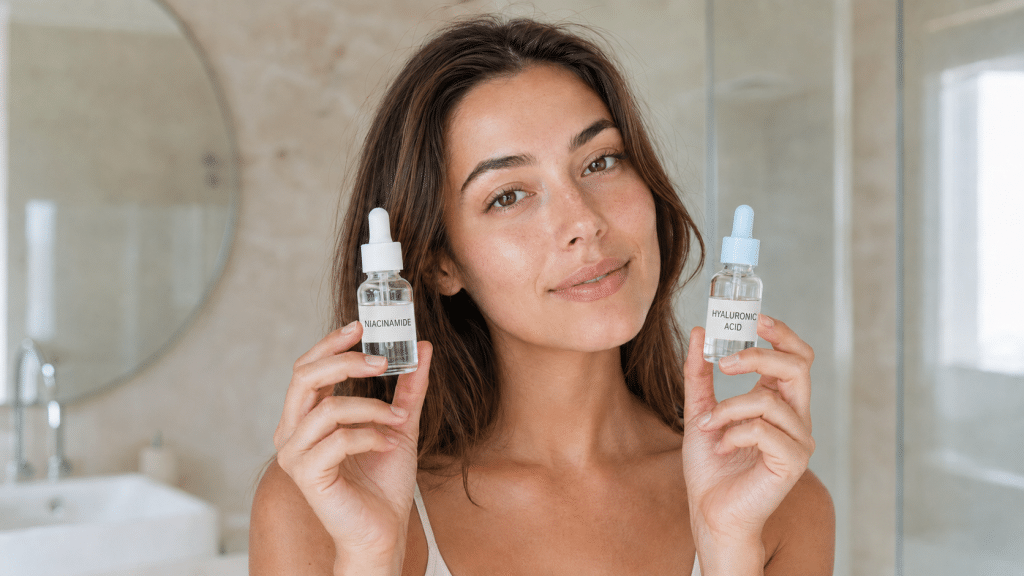
Using two hydating serums does not always mean your skin gets twice the benefit. Niacinamide and hyaluronic acid together can
F
A
S
H
I
O
N
&
B
E
A
U
T
Y
Fashion & Beauty
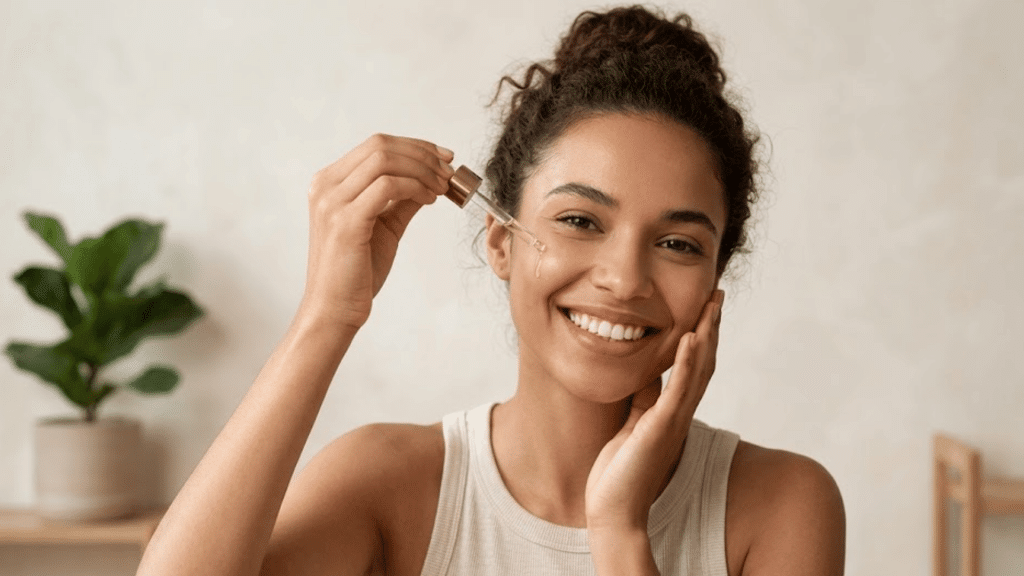
Oily skin does not always mean your skin has enough water. If your face feels greasy but also tight, hyaluronic
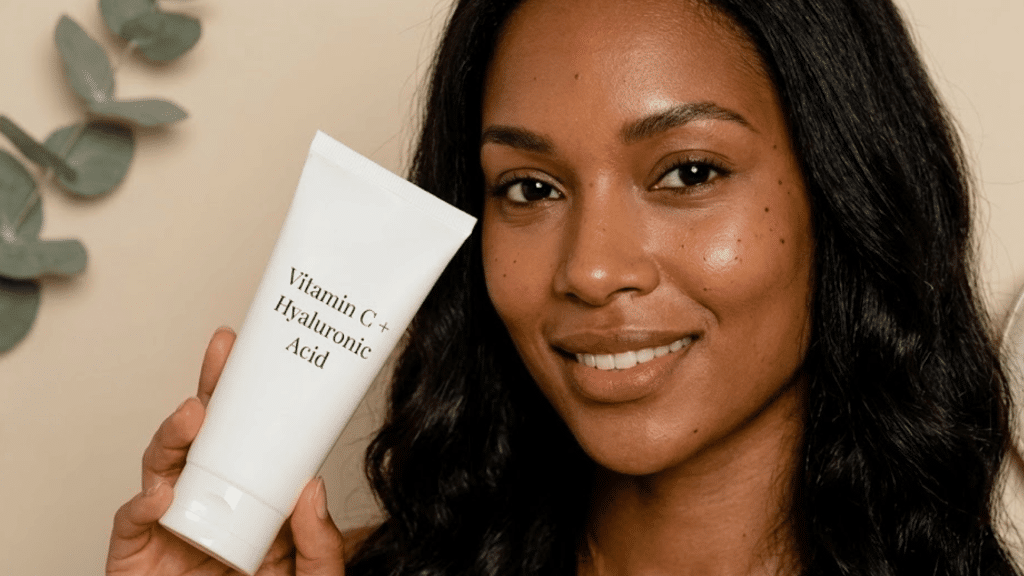
Think vitamin C and hyaluronic acid together are just another skincare trend? You may already use one of them and
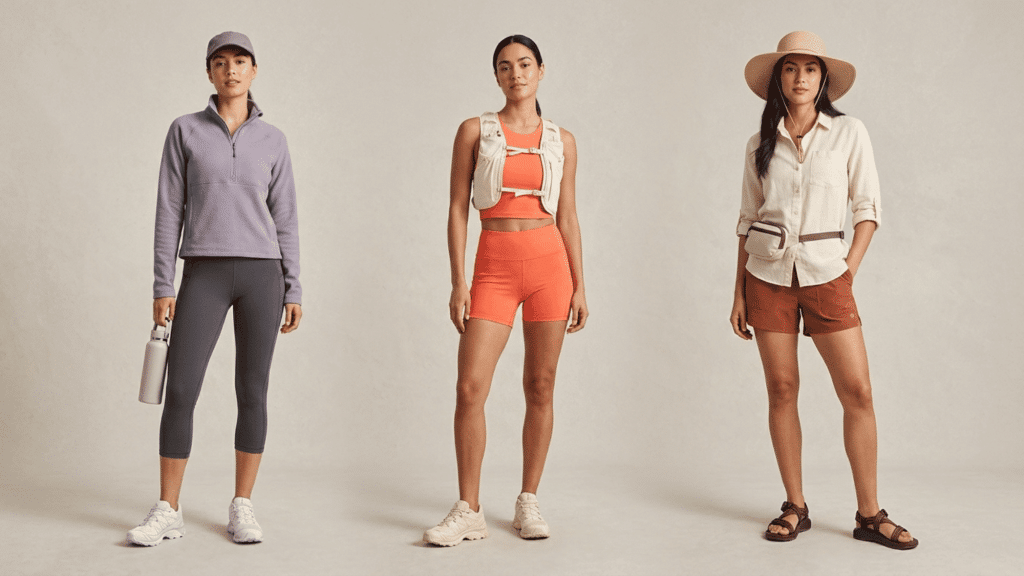
Ever feel like your hiking clothes make you choose between looking good and feeling comfortable? A trendy hike outfit summer
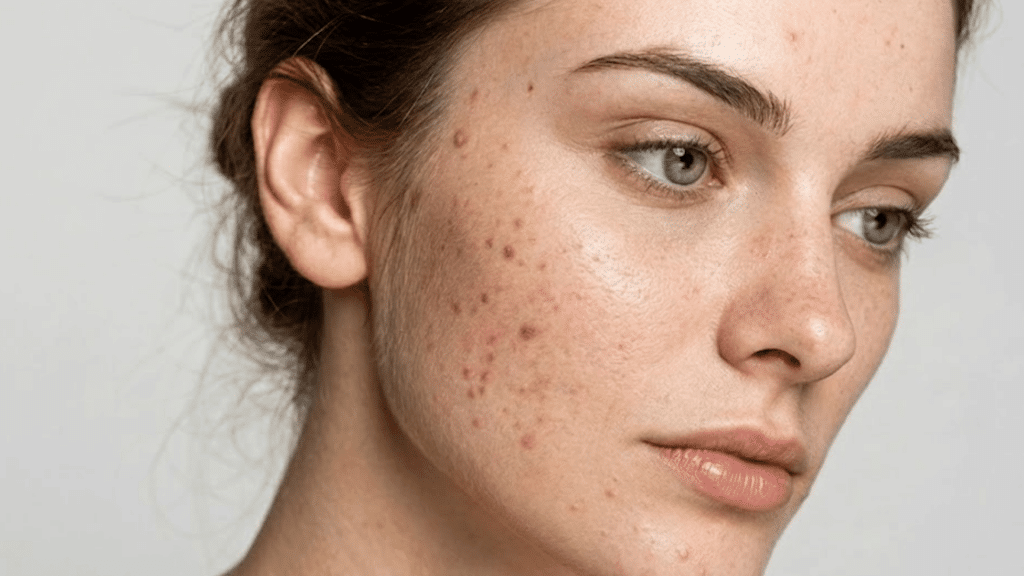
What does hyaluronic acid do for your face if your skin still feels dry after using a moisturizer? That question
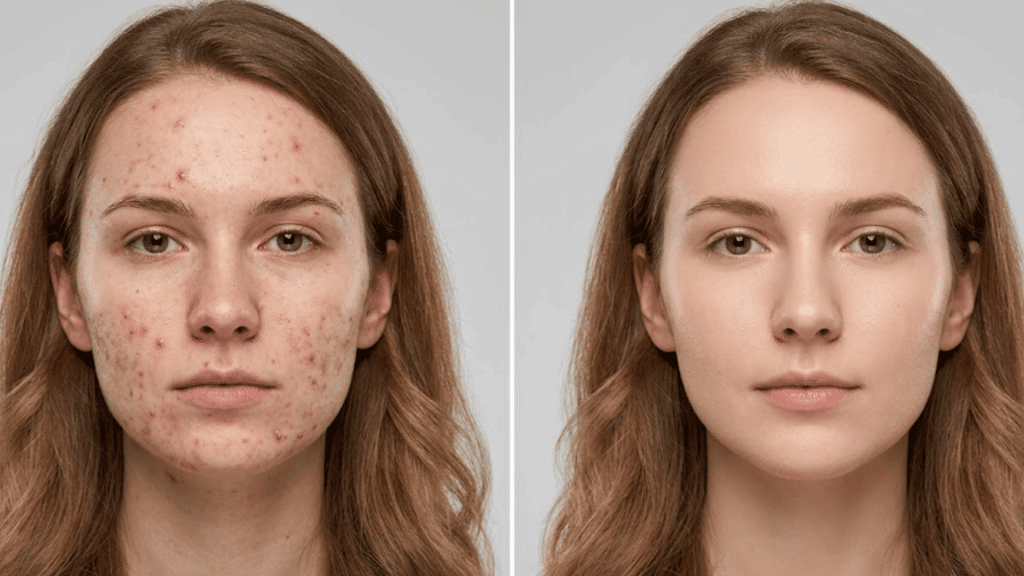
Acne-prone skin can feel oily and dry at the same time, so is hyaluronic acid good for acne? You may

Why does a glow-up seem easy online but hard in real life? Learning how to glow up can feel confusing
SUBSCRIBE TO OUR NEWSLETTER
Home Decor

Farmhouse style never really goes out of fashion. That mix of rustic warmth, clean lines, and lived-in comfort works whether
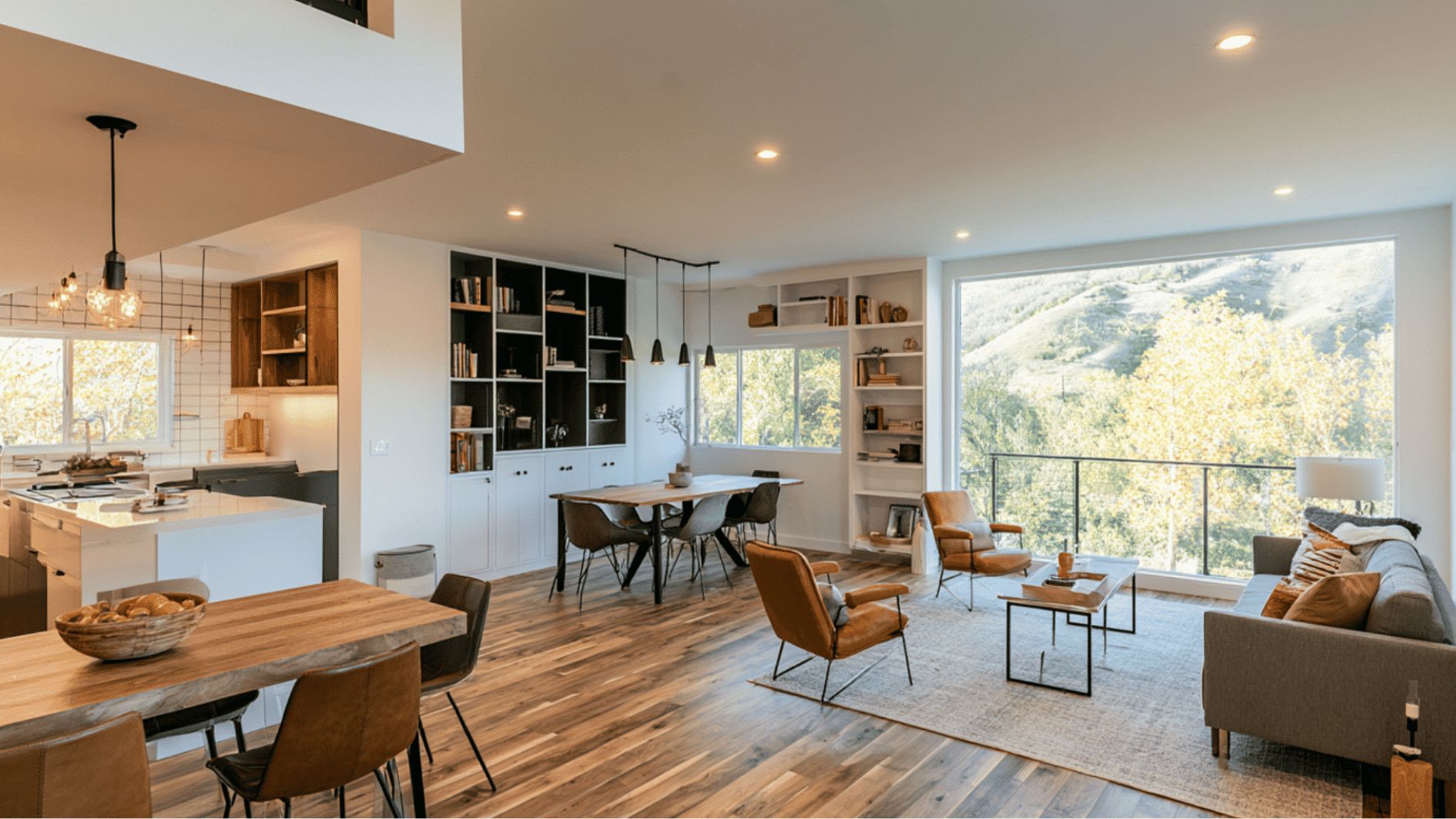
A home renovation isn’t always about knocking down walls or spending a fortune. Most people already have space they’re not using well: a cramped hallway, an awkward corner, or a room that no longer works. The right house remodel ideas can change all of that. With some smart planning, you can make your home feel bigger, work better, and actually fit the way you live. This article covers practical house remodel ideas to help you get more out of every square foot, making your home feel cozy and right. Why Functional House Remodeling is Important? A functional house renovation can make your home feel larger, more comfortable, and easier to use without adding extra square footage. Smart upgrades like open floor plans, built-in storage, and multi-purpose rooms help maximize every inch of available space. These improvements also reduce clutter and create a smoother flow between living areas, making daily activities more convenient. In addition, well-planned renovations can increase your home’s resale value by adding features that modern buyers want. House Renovation Ideas That Maximize Space and Functionality Smart renovations can help you make the most of every square foot, creating a home that feels more spacious, organized, and efficient. 1. Install a Kitchen Island with Built-In Storage A kitchen island with built-in storage adds both workspace and organization to your kitchen. It provides extra room for meal preparation while offering storage for cookware, utensils, and small appliances. Many islands also include seating, making them a practical feature that improves functionality and helps maximize available space. 2. Add Floor-to-Ceiling Cabinets Floor-to-ceiling cabinets make the most of vertical space and provide valuable storage for everyday items. They help reduce clutter by keeping essentials neatly organized and out of sight. This renovation is especially useful in smaller homes, where maximizing storage can improve both functionality and the overall appearance of the space. 3. Create a Multi-Purpose Room A multi-purpose room allows one space to serve several needs, such as a guest room, home office, playroom, or workout area. Use foldable furniture, storage cabinets, and flexible layouts to keep the room easy to change. This helps maximize space while making your home more useful for daily life. 4. Install Built-In Shelving and Bookcases Built-in shelving and bookcases provide extra storage without taking up valuable floor space. They can be customized to fit walls, corners, or alcoves, making them a practical solution for any room. Besides keeping books, décor, and everyday items organized, built-ins create a clean, seamless look that enhances both functionality and visual appeal. 5. Add a Walk-In Pantry A walk-in pantry helps keep your kitchen organized by providing a dedicated space for food, cookware, and small appliances. It reduces clutter on countertops and inside cabinets, making it easier to find what you need. With adjustable shelves and smart storage solutions, a walk-in pantry can improve both functionality and efficiency in kitchens of all sizes. 6. Install a Walk-In Shower A walk-in shower can make a bathroom feel more open and spacious, especially in smaller homes. Unlike bulky tubs, it takes up less space and creates a clean, modern look. Adding features such as glass panels, built-in niches, and non-slip flooring can enhance both functionality and comfort while making daily routines more convenient. 7. Add Built-In Seating with Hidden Storage Built-in seating with hidden storage is a smart way to add both comfort and organization to your home. Window benches, breakfast nooks, and entryway seats can include storage compartments for blankets, shoes, toys, or seasonal items. This renovation helps reduce clutter while making better use of available space, creating a more functional and inviting living area. 8. Expand Natural Light with Larger Windows Larger windows can make a room feel brighter, more open, and more inviting. Increased natural light helps reduce the need for artificial lighting during the day and can make small spaces appear larger. This renovation also improves ventilation and enhances the overall look of your home, creating a more comfortable living environment. 9. Finish and Remodel the Basement Finishing and remodeling the basement is a smart way to add usable living space without expanding your home’s footprint. It can become a family room, guest suite, home office, gym, or play area. With proper lighting, flooring, insulation, and storage, a basement remodel can make your home more functional, comfortable, and valuable. 10. Upgrade Closets with Custom Storage Systems Custom closet storage systems help maximize every inch of available space. Features such as adjustable shelves, drawers, hanging rods, and shoe racks keep clothing and accessories neatly organized. A well-designed closet reduces clutter and makes items easier to find, improving daily convenience and creating a cleaner, more functional bedroom. 11. Install a Murphy Bed A Murphy bed is a practical solution for homes with limited space. It folds up into the wall when not in use, freeing up valuable floor space during the day. This makes it ideal for guest rooms, home offices, or studio apartments. By combining sleeping and living areas in one room, a Murphy bed helps maximize functionality without sacrificing comfort. 12. Add a Functional Mudroom A functional mudroom helps keep dirt, shoes, coats, and bags organized in one dedicated area. Adding storage benches, hooks, cabinets, and cubbies can reduce clutter throughout the rest of the home. This renovation improves organization and makes daily routines easier, especially for busy families. A well-designed mudroom also helps protect floors and living spaces from outdoor messes. 13. Utilize Vertical Wall Space Using vertical wall space is an effective way to increase storage without reducing floor area. Wall-mounted shelves, cabinets, hooks, and organizers can store everyday items while keeping rooms neat and clutter-free. This renovation is especially useful in smaller homes, helping maximize available space and improve functionality in kitchens, bedrooms, bathrooms, and living areas. 14. Remodel the Laundry Room for Efficiency A well-designed laundry room can make household chores faster and more organized. Adding cabinets, shelves, folding counters, and wall-mounted drying racks helps maximize storage and improve workflow. Keeping laundry supplies neatly arranged reduces clutter and saves time. Even a small laundry room can become more functional with smart storage solutions and an efficient layout. 15. Build a Covered Outdoor Living Area A covered outdoor living area extends your usable space beyond the walls of your home. If used for dining, relaxing, or entertaining, it provides protection from the sun and rain while increasing comfort. Adding features like seating, lighting, and storage can make the area more functional and help create a seamless connection between indoor and outdoor living. 16. Integrate Smart Home Technology Smart home technology can make your home more convenient, efficient, and secure. Features like smart lighting, thermostats, security cameras, and voice-controlled devices help automate everyday tasks. These upgrades can save energy, improve comfort, and give you greater control over your home. Integrating smart technology also adds modern appeal and long-term value. How to Prioritize Your Home Remodeling Projects To get the best results from your renovation budget, prioritize projects based on functionality, home value, and your family’s most important needs. Use the tips below to guide your decisions. Start with High-Traffic Areas Prioritize renovations in frequently used spaces such as kitchens, bathrooms, and living rooms to improve daily comfort and maximize the impact of your investment. Focus on ROI Improvements Choose upgrades that increase home value, such as kitchen remodels, bathroom updates, energy-efficient features, and additional storage solutions. Create a Realistic Budget Estimate costs carefully, include a contingency fund for unexpected expenses, and prioritize projects based on your needs and available funds. Develop a Phased Remodeling Plan Break large renovation projects into smaller stages to manage costs, reduce disruption, and complete improvements over time. Assess Your Space and Lifestyle Needs Identify problem areas, storage challenges, and daily habits to ensure each renovation improves functionality and supports your long-term lifestyle goals. Final Thoughts The best house remodel ideas aren’t always the biggest ones. Sometimes it’s a built-in shelf, a smarter layout, or better lighting that makes the real difference. You don’t need to redo everything at once. Pick one or two ideas from this list, start there, and see how much your space improves. Small changes add up faster than most people expect. At the end of the day, a well-planned remodel isn’t just about looks; it’s about making your home work better for the people living in it. Frequently Asked Questions What is the 30% Rule in Remodeling? If renovation costs exceed 30% of a structure’s value, the entire project must meet current building codes What is Illegal Renovation? Any construction, alteration, or remodeling done without required permits or proper authorization from local building authorities. What Happens if an Inspector Finds Unpermitted Work? They can issue stop-work orders, demand demolition, impose fines, or require full code-compliant upgrades immediately.
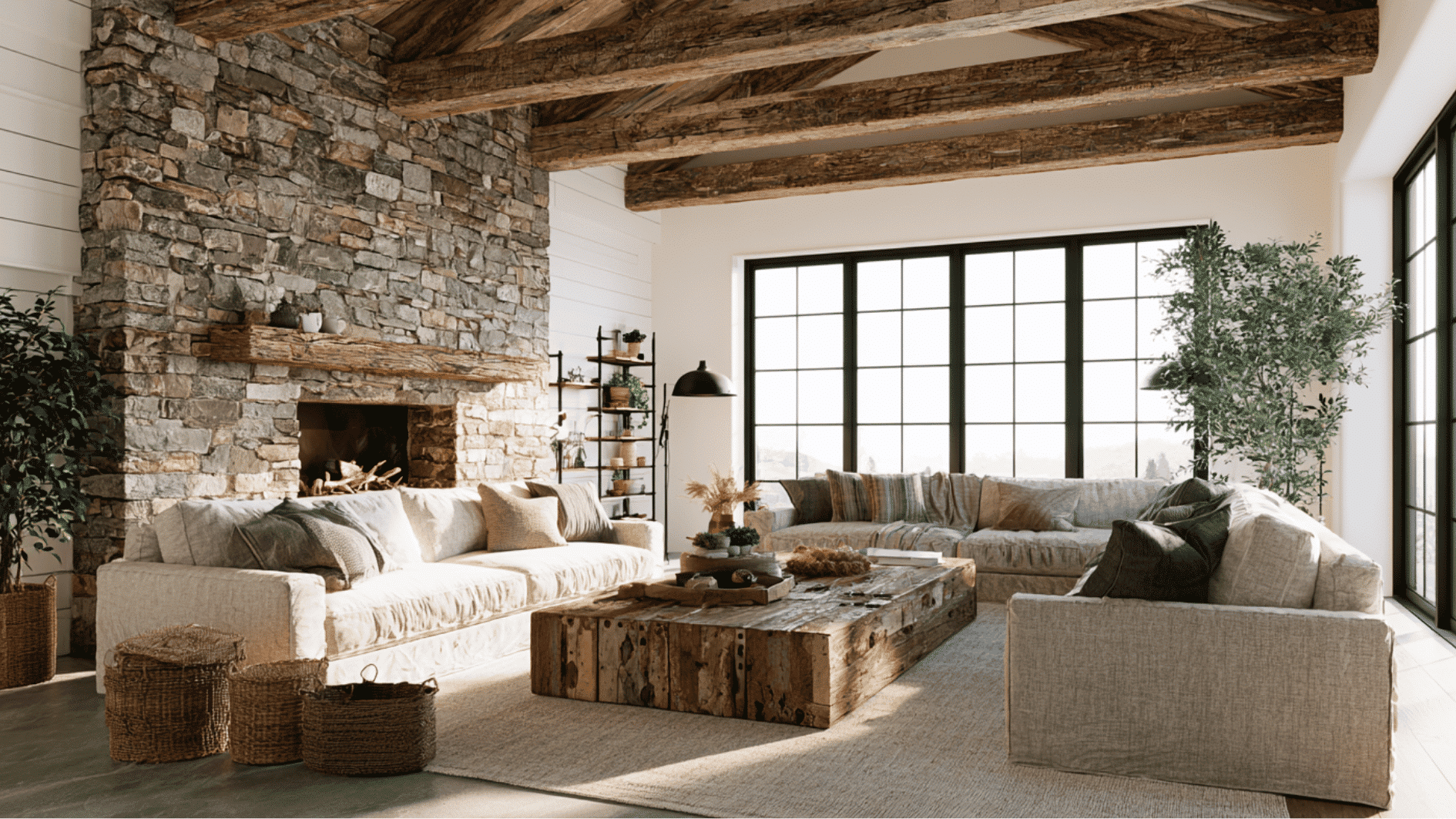
Rustic farmhouse interior design has a way of making any space feel warm, lived-in, and genuinely comfortable. But pulling it off without the space looking cluttered or outdated? That’s where most people get stuck. It doesn’t take a complete renovation or a massive budget to get there. From picking the right materials and textures to mixing old pieces with new ones, these rustic design ideas and tips break it all down, practically and in a way that actually makes sense for real homes. Popular Rustic Farmhouse Decor Styles to Inspire Your Home Rustic farmhouse decor comes in many styles, allowing you to create a space that reflects your personality and design preferences. Look into the popular decor styles below to find the perfect farmhouse look for your home. Traditional Rustic Farmhouse Style Emphasizes reclaimed wood, vintage furnishings, natural textures, and warm neutral tones for a classic countryside feel. Modern Rustic Farmhouse Style Blends farmhouse charm with sleek furniture, clean lines, and simple decor to create a fresh and updated look. Industrial Farmhouse Style Combines rustic wood elements with black metal accents, exposed fixtures, and industrial lighting for added character. French Country Farmhouse Style Features distressed furniture, soft color palettes, elegant details, and vintage-inspired decor for a refined rustic appearance. Scandinavian Farmhouse Style Mixes farmhouse warmth with minimalist design, bright interiors, natural materials, and functional furnishings for a clean yet cozy space. Rustic Farmhouse Interior Design Ideas for Every Room From cozy living rooms to charming kitchens and relaxing bedrooms, these inspiring ideas will help you create a welcoming farmhouse-style space in every room. 1. Install Exposed Wooden Ceiling Beams Exposed wooden ceiling beams are a signature feature of rustic farmhouse interior design. Create visual depth and a sense of history in any room. Reclaimed wood, oak, pine, and cedar are popular choices because of their natural beauty and durability. For a real farmhouse look, choose weathered, distressed, or lightly stained finishes that highlight the wood’s unique grain and character. 2. Add a Stone Fireplace as a Focal Point A stone fireplace can become the heart of a rustic farmhouse living room. Natural options like fieldstone, limestone, river rock, and stacked stone add texture, warmth, and timeless charm. Style the area with a reclaimed wood mantel, vintage candle holders, woven baskets, and simple greenery. Keep the decor balanced so the fireplace remains the main focal point while still feeling relaxing and comfortable. 3. Use Reclaimed Wood Accent Walls A reclaimed wood accent wall is an easy way to add rustic farmhouse charm to your home. You can create one using salvaged wood planks or DIY wood panels for a budget-friendly update. Place the feature wall behind a bed, sofa, fireplace, or dining table to draw attention and create a warm focal point. Natural wood tones work best for a real farmhouse look. 4. Choose a Neutral Farmhouse Color Scheme A neutral farmhouse color scheme helps create a calm and welcoming space. Popular combinations include warm white with natural wood tones, beige with soft grey, and cream paired with earthy brown accents. For paint, choose shades that feel warm rather than stark. Colors like creamy white, greige, and light taupe work well and provide the perfect backdrop for rustic farmhouse decor. 5. Add Vintage-Inspired Wall Art Vintage-inspired wall art can add charm and personality to a rustic farmhouse interior. Choose botanical prints, landscape paintings, antique mirrors, or framed sketches to create visual interest. Arrange a few carefully selected pieces above a mantel, sofa, or console table. Keeping the display simple helps maintain a balanced and timeless farmhouse look. 6. Incorporate Shiplap Walls Shiplap walls are a classic feature in rustic farmhouse interior design. Traditional applications often use natural wood tones and wider planks to create a cozy, rustic feel. Modern farmhouse spaces typically feature painted shiplap, especially in white or soft neutral shades, for a cleaner look. Shiplap works best in living rooms, bedrooms, entryways, and dining areas, where it can add texture and character without overwhelming the space. 7. Style Open Wooden Shelving Open wooden shelving adds both style and function to farmhouse interiors. In the kitchen, use shelves to display dishes, glass jars, cookbooks, and small plants. In the living room, arrange framed photos, vintage decor, candles, and woven baskets for a cozy look. Keep decorative items grouped in small collections and leave some space to create a neat, balanced, and visually appealing display. 8. Invest in a Rustic Farmhouse Dining Table A rustic farmhouse dining table brings warmth and character to the dining room. Wood species like oak, pine, maple, and reclaimed wood are great choices because they are strong and naturally beautiful. For styling, add a simple centerpiece with a linen runner, ceramic vase, fresh greenery, candles, or a wooden tray. Keep the arrangement low and balanced so guests can talk easily across the table. 9. Use Woven Baskets for Storage Woven baskets are a simple and stylish way to keep your home organized while adding farmhouse charm. Use them to store blankets in the living room, towels in the bathroom, or fruits and pantry items in the kitchen. Choose baskets made from natural materials like wicker, seagrass, or rattan. They provide practical storage solutions while bringing warmth, texture, and a decorative touch to any room. 10. Add Sliding Barn Doors Sliding barn doors are a popular feature in rustic farmhouse interior design because they combine style and function. They save space by sliding along the wall instead of swinging open, making them ideal for smaller rooms. Barn doors also add warmth, texture, and rustic character. Available in various wood finishes and hardware styles, they can easily become a beautiful focal point in any home. 11. Layer Cozy Throw Blankets and Pillows Layering throw blankets and pillows is an easy way to make a farmhouse space feel cozy and inviting. Mix different textures such as cotton, linen, knit fabrics, and faux fur to add depth and warmth. For seasonal updates, switch to lightweight fabrics and soft colors in spring and summer, then use thicker blankets and richer tones during fall and winter for extra comfort. 12. Display Antique Kitchen Accessories Antique kitchen accessories are perfect for adding rustic farmhouse charm without changing the whole room. Display vintage pitchers on open shelves, use wooden cutting boards against the backsplash, and add enamelware bowls or mugs for a classic country feel. Keep the arrangement simple so the space feels collected, useful, and welcoming instead of crowded. 13. Incorporate Industrial Lighting Fixtures Industrial lighting fixtures add both character and function to a rustic farmhouse interior. Farmhouse pendant lights work well above kitchen islands, dining tables, and entryways, providing focused lighting and visual appeal. Lantern-style chandeliers bring a classic farmhouse feel and create a stylish focal point in larger spaces. Choose fixtures with metal finishes and simple designs to complement the warm, rustic elements throughout your home. 14. Create a Farmhouse Gallery Wall A farmhouse gallery wall is a great way to add personality and charm to your home. Mix family photos with vintage frames to create a warm and meaningful display. Add botanical prints to bring a natural touch and complement the rustic farmhouse style. Arrange the pieces in a balanced layout, using different sizes and shapes for visual interest, while keeping the overall look simple and cohesive. 15. Choose Distressed Wood Furniture Distressed wood furniture adds authentic rustic farmhouse character to any room. Pieces such as coffee tables, console tables, and sideboards showcase natural wood grain and weathered finishes that create a warm, lived-in feel. These furniture items are both stylish and practical, offering storage and display space. Pair them with neutral decor and soft textures to enhance the cozy farmhouse atmosphere throughout your home. 16. Add Rustic Farmhouse Rugs Rustic farmhouse rugs help define a space while adding warmth and texture underfoot. Jute rugs are a popular choice because of their natural look and durable fibers. For added character, layer them with vintage-inspired rugs featuring faded patterns and soft colors. This combination creates depth and visual interest while maintaining the cozy, relaxed feel that makes rustic farmhouse interiors so inviting 17. Design a Cozy Reading Nook A cozy reading nook is the perfect addition to a rustic farmhouse home. Choose comfortable farmhouse seating, such as an upholstered armchair, a wooden rocking chair, or a cushioned bench. Layer different textures with soft throw blankets, knit pillows, and a woven rug to create warmth and comfort. Add a small side table and gentle lighting to make the space even more inviting for relaxing with a book. 18. Use Black Metal Accents Black metal accents are a simple way to add contrast and character to a rustic farmhouse interior. Use black hardware on cabinets and doors, sturdy shelving brackets for open shelves, and metal lighting fixtures to create a balanced look. These details complement natural wood tones and neutral colors while adding a touch of industrial charm that feels both timeless and modern. 19. Bring Nature Indoors Bringing nature indoors is an easy way to enhance a rustic farmhouse interior. Add fresh greenery, such as potted plants or eucalyptus branches, to create a lively and natural feel. Dried flowers in simple vases offer lasting beauty and vintage charm. You can also use seasonal arrangements with leaves, pinecones, or fresh blooms to keep your decor looking fresh and connected to the changing seasons. 20. Style a Rustic Farmhouse Bedroom Retreat A rustic farmhouse bedroom should feel warm, calm, and comfortable. Start with layered bedding, such as cotton sheets, quilted blankets, and soft throw pillows, to create a cozy look. Add a wood headboard for natural texture and farmhouse charm. Finish the space with soft lighting from table lamps, wall sconces, or lantern-style fixtures to create a peaceful and relaxing bedroom retreat. 21. Upgrade the Bathroom with Farmhouse Details A farmhouse bathroom can feel both stylish and relaxing with the right details. Vessel sinks add a unique focal point and bring a handcrafted look to the space. Wood vanities introduce warmth and natural texture, while vintage mirrors add character and timeless charm. Together, these elements create a balanced rustic farmhouse design that feels welcoming, functional, and full of personality. 22. Mix Old and New Furnishings Mixing old and new furnishings helps create a rustic farmhouse interior that feels fresh and balanced. Pair vintage pieces, such as distressed wood furniture, with modern sofas, lighting, or decor for contrast. This combination adds character without making the space feel outdated. Focus on a few statement antiques and keep the rest of the design simple to achieve a timeless and well-curated look. 23. Create a Welcoming Farmhouse Entryway A welcoming farmhouse entryway sets the tone for the rest of the home. Place a wooden bench near the door to provide a comfortable spot for putting on shoes. Add wall hooks for coats, hats, and bags to keep the area organized. A rustic console table can display decorative items, family photos, or seasonal accents, creating an inviting and functional space for guests and family members alike. 24. Add Rustic Kitchen Island Features A rustic kitchen island can become the centerpiece of your farmhouse kitchen. Wood countertops add warmth, natural texture, and timeless appeal. Open storage beneath the island provides easy access to baskets, dishes, and cookware while keeping the space organized. For seating, choose wooden stools or metal-framed chairs with simple designs. These elements create a functional gathering spot that feels both practical and inviting. 25. Embrace Imperfections for Authentic Character One of the best ways to create an authentic rustic farmhouse interior is to embrace natural wear and imperfections. Handmade decor pieces add unique character and a personal touch to the space. Focus on sustainable decorating by using reclaimed wood, vintage finds, and repurposed furniture. These elements create a warm, timeless home with lasting appeal. Essential Rustic Farmhouse Design Tips for Every Room A well-designed rustic farmhouse home balances classic charm with everyday practicality. Use the essential tips below to create a cohesive, comfortable, and inviting farmhouse look in every room. Balance Rustic and Modern Elements: Combine reclaimed wood, vintage decor, and natural textures with clean-lined furniture and modern accents to create a fresh yet classic farmhouse look. Use a Consistent Color Palette: Stick to warm neutrals such as white, beige, cream, grey, and soft earth tones to maintain a cohesive and inviting atmosphere throughout your home. Prioritize Natural Materials: Incorporate wood, stone, linen, cotton, and metal finishes to add authenticity and reinforce the rustic farmhouse aesthetic. Layer Textures Thoughtfully: Mix rugs, throw blankets, woven baskets, and soft fabrics to create visual depth while keeping the space comfortable and balanced. Focus on Functionality: Choose furniture and decor that serve a purpose, ensuring each room remains practical, organized, and easy to live in every day. Final Thoughts Rustic farmhouse interior design isn’t about making a space look perfect; it’s about making it feel right. Worn wood, soft neutrals, natural textures, and a few well-chosen vintage pieces can completely change how a room feels without overthinking it. There are no strict rules here. Mix what works, keep what feels personal, and let the space breathe. Small changes genuinely add up. Frequently Asked Questions What Is the 3-5-7 Rule in Interior Design? The 3-5-7 Rule Suggests Grouping Decor Items in Odd Numbers to Create a More Balanced and Visually Appealing Space. What Color is Replacing Gray in 2026? Warm Neutrals Like Mushroom, Taupe, Creamy White, and Soft Khaki Are Replacing Cool Gray Tones in 2026 Interiors. What Are Three Paint Colors that Never Go out Of Style? White, beige, and navy blue remain timeless paint colors that work well in both classic and modern homes.
H
O
M
E
D
E
C
O
R
WALKING THRTRENDS

Every night, you climb into bed, but something feels off. The room works, sure, but it doesn’t feel like a

I’ve always loved the idea of turning my home into a cozy retreat, somewhere that feels like a countryside escape

The right Halloween outdoor decoration ideas don’t just welcome trick-or-treaters, they create unforgettable curb appeal that’ll have neighbors talking long
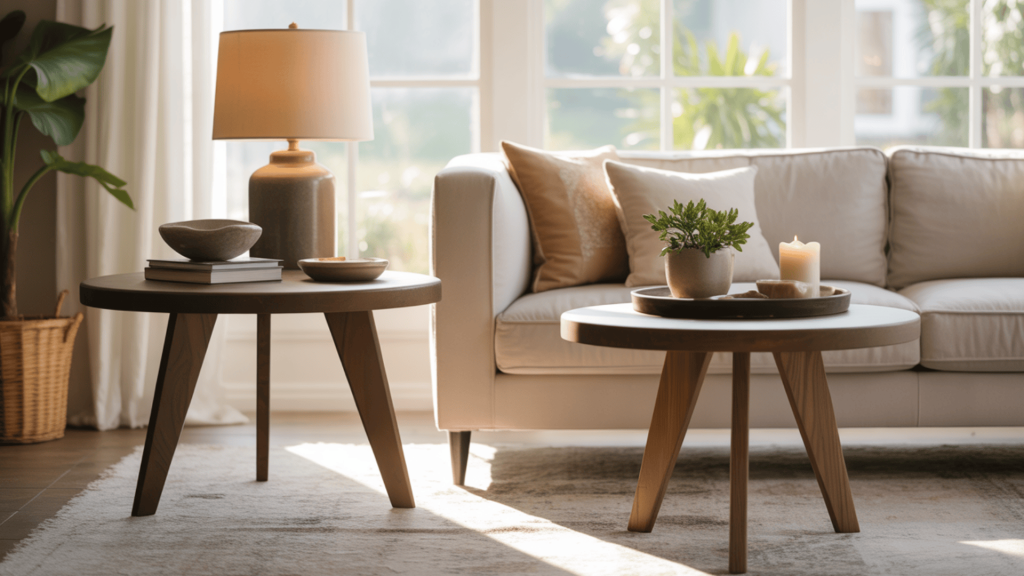
Side tables may be small, but they carry an outsized influence on how a room looks and feels. For me,
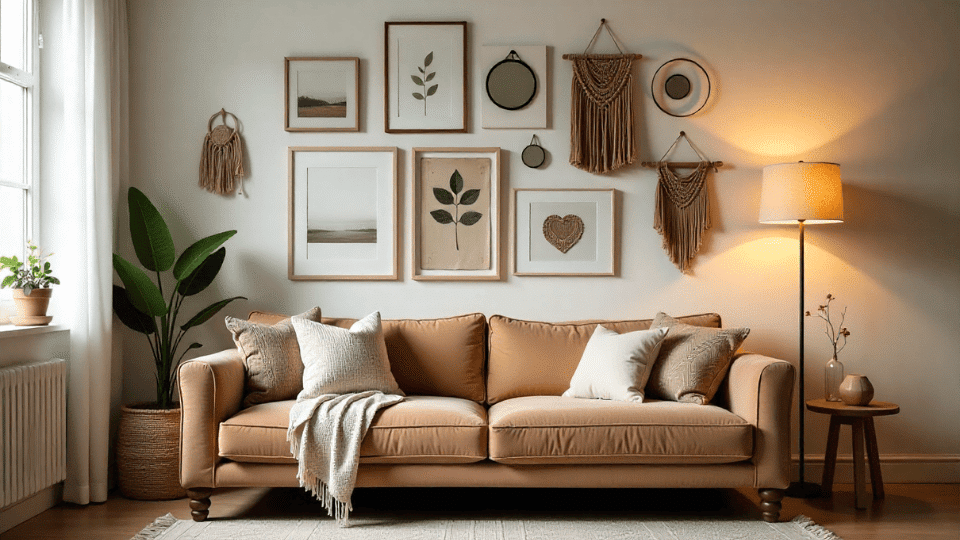
The empty space above my couch represents one of the most underutilized yet visually impactful areas in my living room.
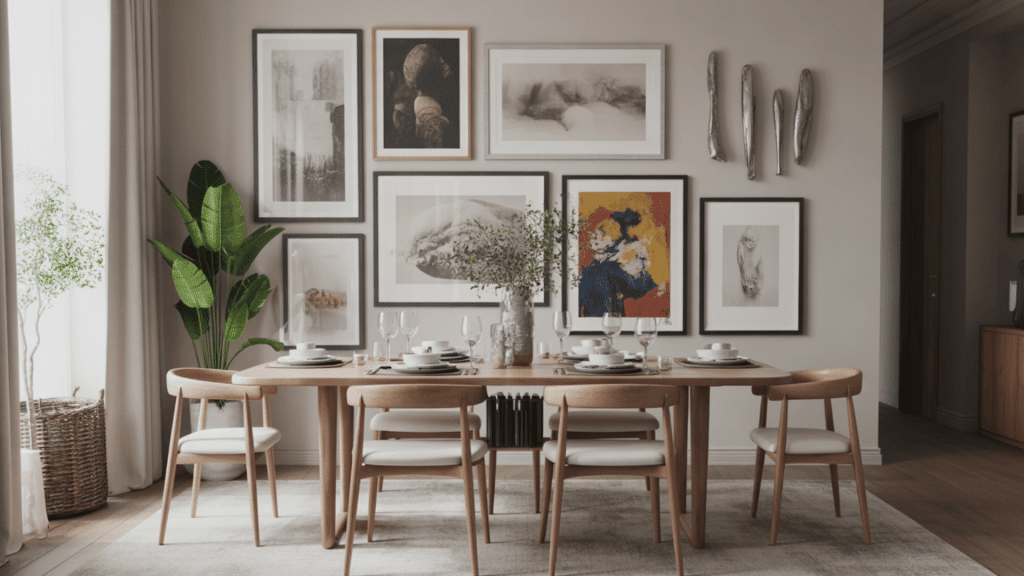
Well-decorated dining room walls can instantly complete the look of your space, creating a warm and welcoming atmosphere for guests.
Health & Wellness
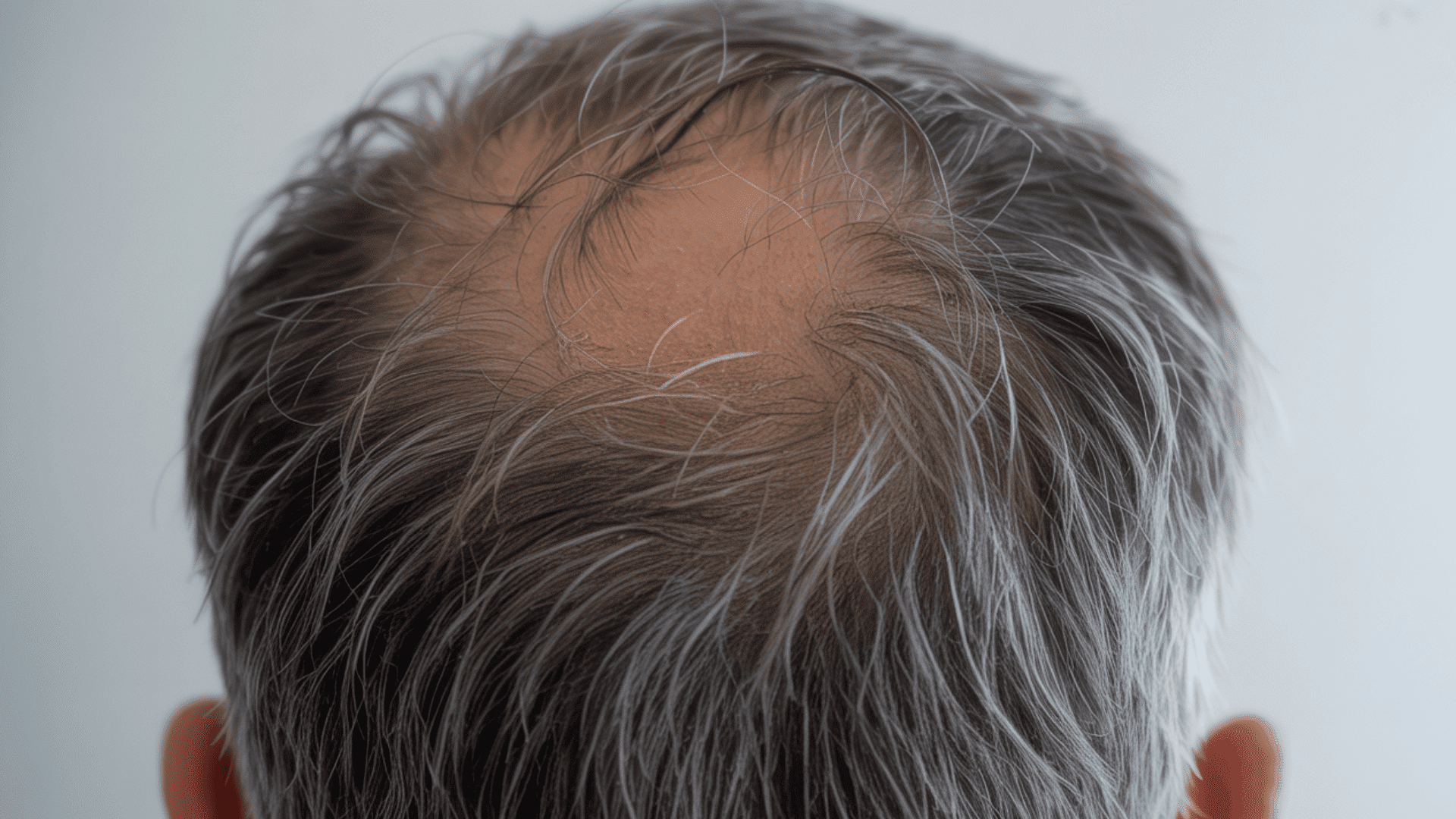
Stress can significantly impact our hair, leading to loss and premature graying through hormonal and autoimmune
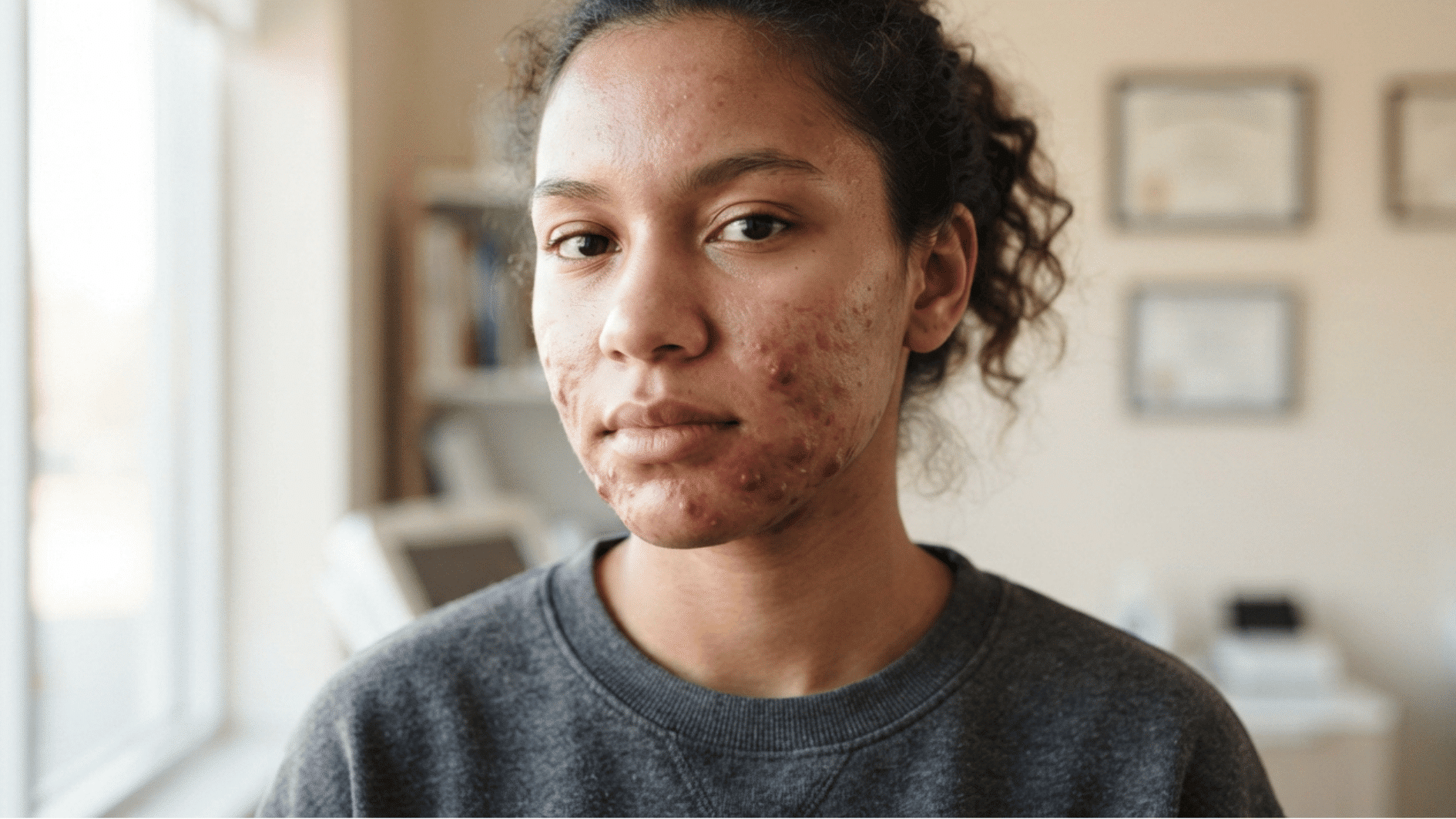
Not all breakouts are the same. Some pimples clear up in a day or two, but
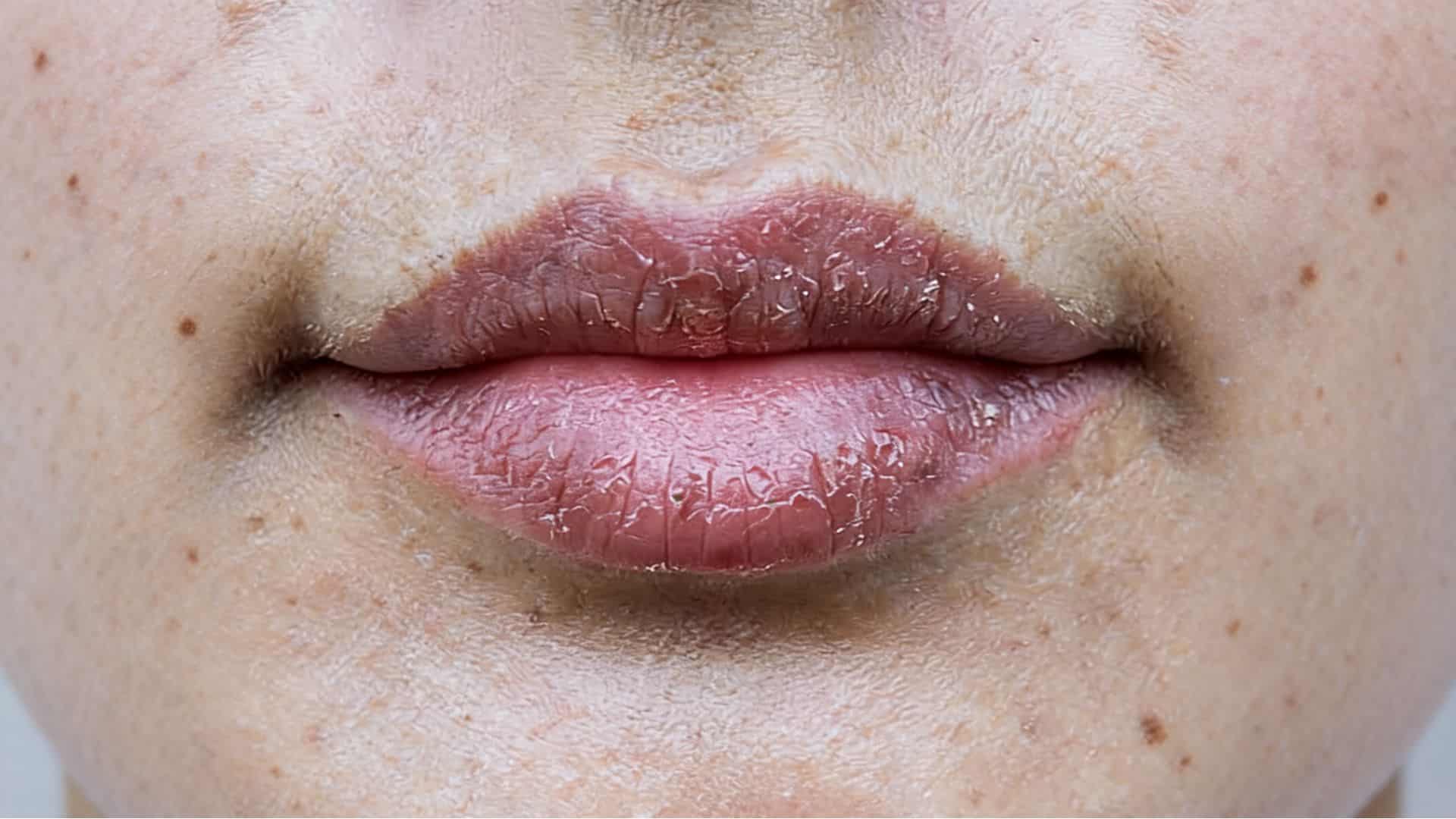
Why do your lips keep peeling even after you use lip balm? Peeling lips causes can

Why are my lips so dry when I keep putting on lip balm? It can feel
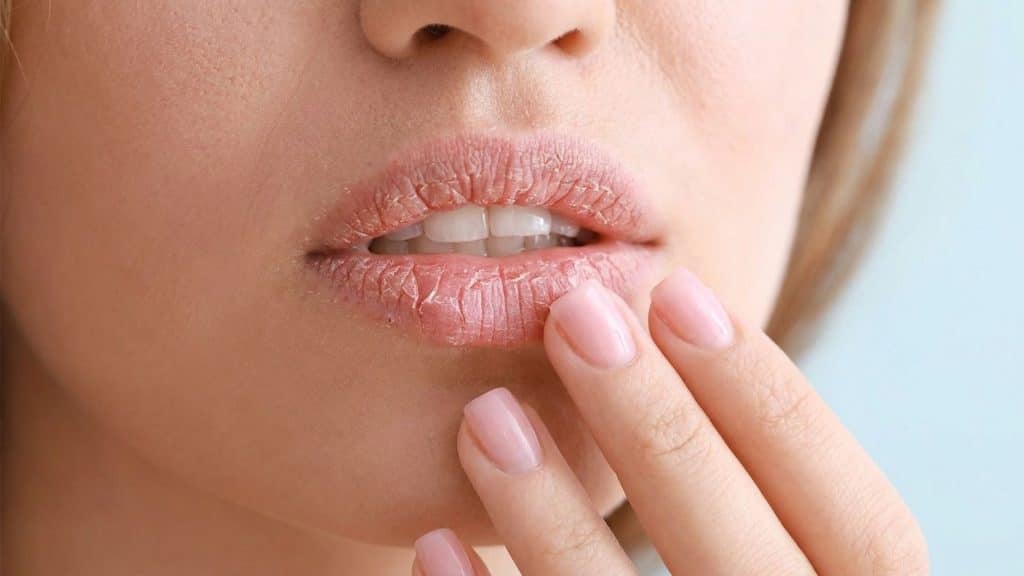
Think licking dry lips helps? It can actually leave chapped lips feeling worse. The relief may last for a moment, but the dryness often comes back fast. You may keep reaching for the same balm, licking your lips, or peeling loose skin without seeing much change. It can also turn a small problem into an annoying daily habit. When your lips stay dry, even simple things like smiling, eating, or talking may feel uncomfortable. If your usual fixes are not working, the problem may need a different kind of care. A pattern common with lips that are cracked and peeling. That can make the skin feel tighter, rougher, and more sore. Understanding Dry and Cracked Lips Chapped lips happen when the skin on the lips loses too much moisture and becomes dry, rough, or cracked. Lip skin is thinner than skin on many other parts of the body and does not have oil glands to keep it naturally moist. This makes it easier for moisture to escape. The condition is usually temporary and common, especially during dry or cold weather. However, if you find yourself asking why your lips seem dry no matter what you try, cracked lips that stay that way for a long time may be linked to ongoing irritation or another skin problem. What Causes Chapped Lips? Several everyday habits and outside conditions can dry the lips. Knowing what causes the dryness can make the problem easier to manage. Cold, Dry, or Windy Weather Low humidity, cold air, and strong winds can pull moisture from the lips, leaving the skin dry, tight, flaky, or cracked. Sun Exposure Lips have less natural protection from sunlight than much of the skin. Long sun exposure can dry them out and cause soreness or peeling. Licking or Biting the Lips Saliva dries quickly and removes moisture from the lip surface. Frequent licking, biting, or picking can also irritate already dry skin. Not Drinking Enough Fluids Low fluid intake may add to dryness, especially when the body is already losing water through heat, exercise, illness, or dry conditions. Lip Products and Medicines Fragrances, flavors, or other irritating ingredients in lip products may cause dryness. Some medicines can also reduce moisture and leave lips cracked. How to Treat Dry Lips at Home Simple home care can help dry lips feel softer and less sore. Regular moisture and fewer irritating habits often support faster healing. 1. Apply a Gentle Lip Balm Choose a plain lip balm without fragrance, strong flavors, or harsh ingredients. Products made for sensitive skin are often a safer choice. If you’d rather control exactly what goes on your lips, making your own lip oil at home is a simple way to skip the questionable ingredients entirely. Apply a thin layer several times during the day, especially after eating, drinking, or washing the face. Regular use helps stop the lips from drying out again. 2. Use Petroleum Jelly or a Thick Ointment Petroleum jelly and thick ointments form a layer over the lips that slows moisture loss. This can help cracked or peeling skin stay soft while it heals. A thicker layer may be helpful before bed, when the product can stay on the lips for several hours without being wiped away. 3. Stop Licking or Picking the Lips Licking may feel soothing for a few seconds, but saliva dries fast and can leave the lips even drier. Picking or pulling loose skin can also cause small cuts and soreness. Leaving peeling skin alone gives the surface more time to heal and lowers the chance of further irritation. 4. Drink Enough Water Drinking enough fluids supports normal body function and may help when low fluid intake is adding to dryness. Still, dry lips do not always mean dehydration is the cause. Water works best as part of regular care rather than as the only solution for cracked, flaky, or sore lips. 5. Avoid Products That Sting or Burn A burning or stinging feeling is often a sign that a product is irritating the lips. Fragrance, strong flavoring, menthol, camphor, and mint are common triggers. Stop using products that cause discomfort and switch to a plain formula with fewer ingredients until the skin feels calm again. How to Prevent Chapped Lips From Coming Back A few steady habits can keep lip skin comfortable after it heals and lower the chance of dryness returning again. Use SPF Outdoors: Choose a lip product with SPF 30 or higher before spending time outside in strong sunlight. Run a Humidifier Indoors: Adding moisture to dry indoor air can help keep lip skin from losing water too quickly. Cover Your Mouth in Cold Air: A soft scarf can reduce direct contact with cold wind during winter walks or outdoor travel. Check Your Toothpaste: Strong mint, whitening agents, or foaming ingredients may irritate the lip area in some people. Keep Hands Away from Your Lips: Frequent touching can transfer dirt and irritants, which may make sensitive lip skin harder to keep comfortable. Should Dry Lips Be Exfoliated? Dry lips usually do not need exfoliation, especially when the skin is peeling, cracked, or sore. Scrubbing can remove skin that is still healing and may lead to more redness, stinging, or small cuts. Very gentle care may be suitable when the lips are only mildly flaky and not painful. A soft, damp cloth can be used lightly without rubbing hard, or you can try one of these gentle natural exfoliants made for sensitive skin. In most cases, adding moisture is a better choice than trying to remove loose skin. A plain balm or thick ointment can soften rough areas and support healing. Picking or pulling flakes can slow recovery and make irritation worse. When to See a Dermatologist If dry or cracked lips do not improve after regular home care, it may be time to see a dermatologist. Ongoing symptoms can sometimes point to irritation, an allergy, or another skin issue that needs proper treatment. Get medical advice if cracks become painful or keep bleeding. See a dermatologist if swelling, sores, or possible signs of infection appear. Book an appointment if dryness keeps returning without a clear cause. Ask for help if irritation begins spreading around the mouth. A dermatologist can check what is causing the problem and suggest the right care. Getting advice early can also prevent repeated irritation from becoming more uncomfortable or harder to manage. Conclusion Healthy lips often come down to paying attention to small changes before they become uncomfortable. If dryness keeps showing up, it can help to notice when it starts and what may be linked to it. Chapped lips are common, but they should not feel like something you simply have to put up with. Giving the skin time to settle and being careful with daily habits can make a real difference. If something feels unusual or does not seem to improve, getting professional advice is a sensible choice. With steady care, you can help your lips stay comfortable, soft, and easier to manage. Frequently Asked Questions Are Dry, Cracked Lips Contagious? Dry, cracked lips themselves are not contagious. However, some conditions can look similar. Cold sores, for example, are caused by the herpes simplex virus and can spread from person to person. Can a Vitamin Deficiency Cause Cracked Lips? In some cases, low levels of certain nutrients may affect the lips. Vitamin B2 and vitamin B6 deficiencies have been linked with cracked, swollen, or scaly lips, including cracks near the mouth corners. Why Do the Corners of the Mouth Keep Cracking? Cracks that mainly appear at the mouth corners may be linked to angular cheilitis. Saliva collecting in these areas can irritate the skin, and yeast or other germs may sometimes become involved.
Sunscreen often seems like the simplest step in a skincare routine, yet using it effectively involves more than just picking the highest SPF on the shelf. Many people either skip it altogether or apply the wrong amount at the wrong time, which raises a simple question: how does sunscreen protect your skin in the first place? Here’s how sunscreen protects the skin, how much to apply, when to reapply, and how to make it a practical part of everyday skincare. How Does Sunscreen Protect Your Skin? Sunscreen protects your skin by forming a thin layer on top of it. That layer absorbs, reflects, or scatters UV rays before they reach living skin cells. Some ingredients absorb UV energy and convert it into heat. Others sit on the skin like tiny mirrors, bouncing rays away. Either way, less UV reaches your cells to damage them. Think of sunscreen as a screen door, not a solid wall. Some UV still gets past it. That’s why the SPF number matters. It’s also why you can tan with sunscreen on. What Does SPF Mean in Sunscreen? SPF, or sun protection factor, measures how much UVB radiation a sunscreen blocks compared to bare skin. SPF 30 filters out about 96.7% of UVB rays. SPF 50 filters about 98%, according to Cancer Council NSW. That jump sounds big, but it only adds roughly 1.3 percentage points of extra filtering. SPF only measures UVB protection, not UVA. That’s why the number on the bottle doesn’t tell the full story. It’s also why no SPF, however high, stays fully effective all day Why is Broad-Spectrum Sunscreen Important? Broad-spectrum sunscreen protects against both UVA and UVB rays, not just the one SPF measures. A high-SPF sunscreen that isn’t broad-spectrum can still leave skin open to UVA damage. That means aging and DNA harm, even while it blocks sunburn. Look for the words “broad spectrum” on the label. The FDA requires that exact phrase before a product can make the claim. In June 2026, the FDA also approved bemotrizinol as a new active ingredient for U.S. sunscreens. This gives brands one more option for broader UV coverage. What Skin Problems Does Sunscreen Prevent? Regular sunscreen use is linked to fewer cases of these problems: Sunburn: the most immediate sign of too much UV, and the reason skin peels afterward. Premature wrinkles: caused by UVA breaking down collagen over time. Uneven skin tone: patches of discoloration from repeated sun exposure. Dark spots and pigmentation: extra melanin built up from UV damage. Collagen breakdown: the structural loss behind sagging skin. Some forms of skin cancer: including basal cell, squamous cell, and melanoma. The Skin Cancer Foundation reports that daily use of SPF 15 sunscreen can lower squamous cell carcinoma risk by about 40%. It can lower melanoma risk by about 50%, compared with skipping sunscreen. When and How Often Should You Apply Sunscreen? Apply sunscreen every morning, even on cloudy days or when spending most of the day indoors. Use it before makeup, driving, or sitting near windows because UVA rays can pass through glass. Daily sunscreen is important in every season, including winter. When outdoors, reapply sunscreen about every two hours. Apply it again sooner after swimming, heavy sweating, towel drying, or whenever it has rubbed off on clothing, furniture, or other surfaces. Ways to Use Sunscreen Effectively Every Day Getting the protection printed on the bottle depends on how you apply it, not just which one you buy. Groups like the AAD and health systems such as Johns Hopkins Medicine point to the same three habits. Choose broad-spectrum SPF 30 or higher for daily wear. Apply sunscreen 15 minutes before heading outdoors so it has time to bind to skin. Cover the face, neck, ears, hands, and any other exposed skin. Use enough product for even, visible coverage, not just a thin swipe. Reapply every two hours during long stretches outside. Where Does Sunscreen Fit in a Skin Care Routine? Sunscreen goes near the end of your morning routine. It comes after treatment products and moisturizer, but before makeup: Cleanser: Removes dirt, oil, and buildup, preparing the skin for products. Treatment or serum: Targets specific skin concerns and delivers active ingredients. Moisturizer: Hydrates the skin and helps maintain its protective barrier. Sunscreen: Creates a protective layer that helps shield skin from UV damage. Makeup: Goes last to avoid disturbing sunscreen and other skincare products. How Much Sunscreen Should You Apply? Most people apply far less sunscreen than the amount used in SPF testing. That gap cuts real-world protection well below the number on the bottle. Use a two-finger length of product for the face and neck. Use about one ounce, roughly a shot glass, to cover the rest of your exposed skin. Spread it evenly and don’t skip small spots. The ears, hairline, lips, and tops of the feet burn just as easily as anywhere else, and they get missed often. Choosing Sunscreen for Your Skin Type Different skin types do better with different sunscreen textures and formulas. 1. Oily or Acne-Prone Skin Gel, fluid, or water-based sunscreens usually feel lighter on oily skin. Look for labels such as oil-free, non-comedogenic, and matte finish to reduce shine and lower the chance of clogged pores. Lightweight formulas with niacinamide may also help calm redness and control excess oil. Avoid thick, greasy creams if they feel heavy or cause frequent breakouts. 2. Dry Skin Cream-based sunscreens work well for dry skin because they provide sun protection while helping the skin hold moisture. Ingredients such as glycerin, ceramides, hyaluronic acid, and squalane can reduce tightness and flaking. Apply sunscreen after moisturizer for added comfort. Alcohol-heavy or very matte formulas may make dry patches look more noticeable. 3. Sensitive Skin Fragrance-free mineral sunscreens containing zinc oxide or titanium dioxide are often easier for sensitive skin to tolerate. Simple formulas with fewer added scents, dyes, or botanical extracts may reduce irritation. A patch test can help before using a new product across the face. People with stinging, redness, or reactive skin may also prefer formulas made for babies or sensitive skin. 4. Darker Skin Tones Tinted, sheer, or clear formulas can help prevent the gray or white cast sometimes caused by mineral sunscreens. Tints with iron oxides may also provide extra protection against visible light, which can worsen some forms of uneven pigmentation. Choose a shade that blends evenly without looking ashy. Lightweight chemical or hybrid sunscreens may also offer a more transparent finish on deeper skin tones. Does Sunscreen Work Indoors? Sunscreen still matters indoors because UVA rays pass through window glass. UVB rays are mostly blocked by glass, but UVA is not. If you sit near a window for long stretches, or spend most of your day driving, that daily UVA exposure builds up over months and years, even if you never feel sunburned, in much the same slow way a tan fades. Sitting farther from a window cuts your exposure, but it doesn’t remove it. Anyone who spends a lot of time near glass during the day can benefit from wearing sunscreen indoors. This matters most on the side of the face closest to the window. Everyday Sunscreen Mistakes to Avoid Small habits often cancel out the SPF printed on the bottle: Applying too little product for the skin covered. Missing exposed areas like ears, hairline, and feet. Using sunscreen only in summer, not all year. Forgetting to reapply during long stretches outdoors. Using expired sunscreen, which loses potency after its expiration date. The Bottom Line Sunscreen works best as a daily habit, not something reserved for beach days or sunny weather. The details matter less than the consistency. A product that fits your skin and gets used correctly every day will always outperform an expensive one applied occasionally. Over time, that small daily habit adds up to real protection against burns, premature aging, and long-term skin damage. Frequently Asked Questions Do You Need to Reapply Sunscreen Over Makeup? Yes, powder or spray sunscreens work best over makeup since they don’t disturb it. A setting spray with SPF can also help refresh protection midday without needing a full reapplication. What Happens if You Don’t Wash Off Sunscreen at Night? Leftover sunscreen can mix with sweat, oil, and pollution, clogging pores and dulling skin overnight. Cleansing at night, even on days you didn’t apply makeup, helps skin recover properly. Is There a 100% Natural Sunscreen? No. There is no FDA-recognized 100% natural sunscreen that provides reliable broad-spectrum UV protection.

A tan may look like it appeared overnight, but it rarely disappears that quickly. How long does a tan last? For most people, there’s no single answer, since it depends on more than just how you got the color in the first place. Skin tone, moisture levels, tan type, and daily habits like showering or exfoliating all play a role in how visible a tan stays and for how long. This blog explains how long different tans last, what affects fading, and which habits may help the color wear off more evenly. How Long Does a Tan Last on Average? A natural tan usually lasts 7 to 14 days before it fades, and it’s fully gone within four to six weeks. Most people see their color hold strong for about a week, then lighten gradually over the following two weeks. Fading typically begins around days 5 to 7, when the outer layer of tanned skin cells starts to shed, and lighter cells reach the surface. Some tans stick around longer than others. Deep tans, darker skin tones, and well-moisturized skin can all slow the fade, sometimes extending the color for up to a month. What Causes a Tan to Fade? A tan fades because it lives in skin cells that don’t stay put. As those cells shed and the pigment slows, the tan lightens layer by layer. Natural Skin Cell Turnover: The outer layer of skin, the epidermis, fully replaces itself about once a month. Tanned cells are shed as new skin renews. Shedding of Pigmented Skin Cells: Millions of skin cells flake off each day. Once tanned cells near the surface are shed, the skin underneath looks lighter. Changes in Melanin Production After Sun Exposure: Once UV exposure stops, skin cells make less melanin. New cells reaching the surface carry less color than before. Factors that Affect How Long a Tan Lasts From your skin itself to how the tan developed, a few key details shape exactly how long the color sticks around. 1. Skin Type and Natural Skin Tone People with more melanin tan more easily. This is common in darker skin tones. Their color also lasts longer than fair skin, per the CDC. Fair skin burns faster and fades sooner. It produces less melanin per unit of UV exposure. 2. Depth of the Tan A light tan from a short time in the sun fades within a week. Only the top skin cells hold color. A moderate tan lasts closer to two weeks. A deep tan develops over many days of sun exposure. It can take three to four weeks to fade completely, since pigment is located in several cell layers. 3. Frequency of Sun Exposure More time in the sun keeps a tan topped up. Each new session makes fresh melanin before the old tan fully sheds. But each session also adds UV damage that stays, the same reason you can tan with sunscreen on. The CDC says any color change after sun exposure, tanning, or burning is a sign of skin injury. 4. Skincare and Bathing Habits Daily habits can make a tan fade faster by removing surface skin cells. Frequent scrubbing, hot showers, shaving, and products with retinol, glycolic acid, or salicylic acid may speed up fading. 5. Moisture Levels in the Skin Dry, flaky skin sheds unevenly. A tan on dry skin often fades in patches rather than smoothly. Well-moisturized skin holds tanned cells longer. It sheds them more evenly, so color stays even as it fades. Using a daily lotion after showering helps maintain that even tone. How Long Do Different Types of Tans Last? Not all tans fade on the same schedule. A suntan, a tanning bed tan, a spray tan, and a self-tanner each work differently. Fade time and safety vary a lot. Here is how each one compares. 1. Natural Sun Tan A sun tan develops as melanin darkens skin cells over several days. It starts fading within a week. It is gone once the skin’s top layer renews, a process that takes about a month. Fair skin fades faster than deeper skin tones. Daily washing, natural skin shedding, and exfoliation can also affect how quickly a natural tan fades. Continued sun exposure may make the color last longer by triggering more melanin production. 2. Tanning Bed Tan A tanning bed tan follows the same melanin process as a sun tan. It fades on a similar timeline. The AAD says indoor tanning raises melanoma risk, more so before age 20. That makes the short-term color a poor trade for long-term skin health. The visible color may fade gradually as damaged skin cells are replaced. Repeated tanning bed use can also lead to uneven skin tone and long-term changes in skin texture. 3. Spray Tan A spray tan uses dihydroxyacetone (DHA). This is a color ingredient the FDA allows on the skin. DHA reacts with dead cells on the surface. The tan fades in a week to ten days as those cells shed. That is faster than a sun tan. The color may fade unevenly if the skin becomes dry or if certain areas receive more friction. 4. Self-Tanner Self-tanners use the same DHA reaction as spray tans, often at a lighter strength. Color lasts 5 to 10 days. It fades bit by bit as the outer skin sheds. The FDA notes that most self-tan products skip sunscreen. So sun protection still matters. Applying moisturizer before and after self-tanner can help prevent patchy fading. Gentle exfoliation can remove remaining color when you want the tan to fade faster. What Does a Fading Tan Look Like? A fading tan does not go away all at once. It changes in a few clear ways as skin cells shed unevenly. Gradual lightening: Color fades in stages, moving toward a natural skin tone over 1 to 3 weeks. Uneven or patchy areas: Elbows, knees, and hands often fade at different rates, leaving visible patches. Dryness and peeling: Skin can flake as it sheds tanned cells, especially after sunburn peels skin or dehydration. Differences between the face and body: Facial skin turns over faster due to washing and skin care, so tans fade sooner there than on the torso or legs. Does a Tan Fade Faster on the Face? Yes, facial skin turns over faster than skin on the rest of the body. Daily washing, scrub products, and skin care with retinol or acids all speed this up. Washing the face twice a day removes more surface cells than a body shower. A facial tan often fades within a week, sooner than on the arms or torso. Sun exposure, makeup removal, and frequent touching can also affect how quickly facial color fades. Keeping the skin moisturized helps support an even and gradual return to your natural tone. Can You Make a Tan Last Longer? A tan will not last forever. But daily habits can slow the fade by weeks. These steps help skin cells stay put and stay moist: Habit How It Helps Use lotion regularly Keeps skin moisturized, especially after showering. Take lukewarm showers Reduces dryness caused by long, hot showers. Avoid harsh scrubbing Prevents scrubs and loofahs from removing surface skin cells. Drink enough water Supports overall skin hydration. Use mild cleansers Helps prevent dryness and irritation. Apply SPF 15 or higher Prevents patchy fading and uneven tone from new sun damage on top of the existing tan. Things to Avoid When Trying to Maintain a Tan Some habits speed up the fading process. A few also carry health risks well beyond a shorter tan. Too much sun time, which raises the risk of burns and long-term skin damage Tanning beds, linked to a higher risk of melanoma and other skin cancers Scrubbing or picking at peeling skin, which can scar it or leave uneven patches Strong acids and scrub products, including retinol, glycolic acid, and salicylic acid Very hot showers, which strip natural oils and speed up cell shedding When Should You Speak With a Dermatologist? Most tan-related skin changes are harmless. They fade with time. But a few signs are worth a doctor visit, not just a wait-and-see. Odd new spots that appear suddenly or do not match the rest of a recent tan Patches that stick around long after a tan should have faded Painful burns or blisters from sun or tanning bed exposure Changing skin spots, following the ABCDE rule: asymmetry, irregular borders, uneven color, a size larger than a pencil eraser, or a spot that keeps changing shape The Final Takeaway Every tan fades eventually, whether it took a week or a month to show up. How long it lasts depends on your skin, not just how you got the color. Simple daily care helps it fade evenly instead of in patches. Shortcuts like tanning beds or extra sun time just trade a longer tan for lasting damage. If you want color without that risk, safer options exist and work well when used the right way. Frequently Asked Questions Is 10 Minutes in The Sun Enough to Tan? Yes, especially for fair skin. UV rays begin affecting skin cells within about 15 minutes of exposure, though the exact duration varies by skin type, UV index, and time of day. Do You Tan Faster when Wet? Yes, wet skin refracts and holds UV rays more efficiently than dry skin, and water droplets can act like tiny lenses, so exposure feels more intense. What is the 3-Finger Rule for Sunscreen? Squeeze sunscreen along the length of three fingers- index, middle, and ring- and that’s roughly the right amount to cover your face and neck.